Why reef-safe sunscreen matters for Lanzarote snorkeling
When I’m planning a snorkel off Papagayo or a calm morning at Playa Chica, sunscreen is one of the small details that makes a big difference. Not only do we need protection from strong Atlantic sun and reflected heat from volcanic rock, but what we put on our skin affects the reef and the clarity of our mask. Choosing a product that protects you yet respects marine life—without fogging your mask or washing out reef colours—takes a bit of attention, but it’s absolutely doable.
What “reef-safe” really means
“Reef-safe” is a useful shorthand but not a regulated label everywhere. What I look for are sunscreens that avoid oxybenzone and octinoxate—two UV filters linked to coral bleaching and disruption in marine organisms. Mineral sunscreens, with active ingredients like zinc oxide or non-nano titanium dioxide, are generally the safer choice for the marine environment. Non-nano means the particles are large enough not to penetrate tissues easily, which reduces risk to animals.
Will mineral sunscreen fog my mask?
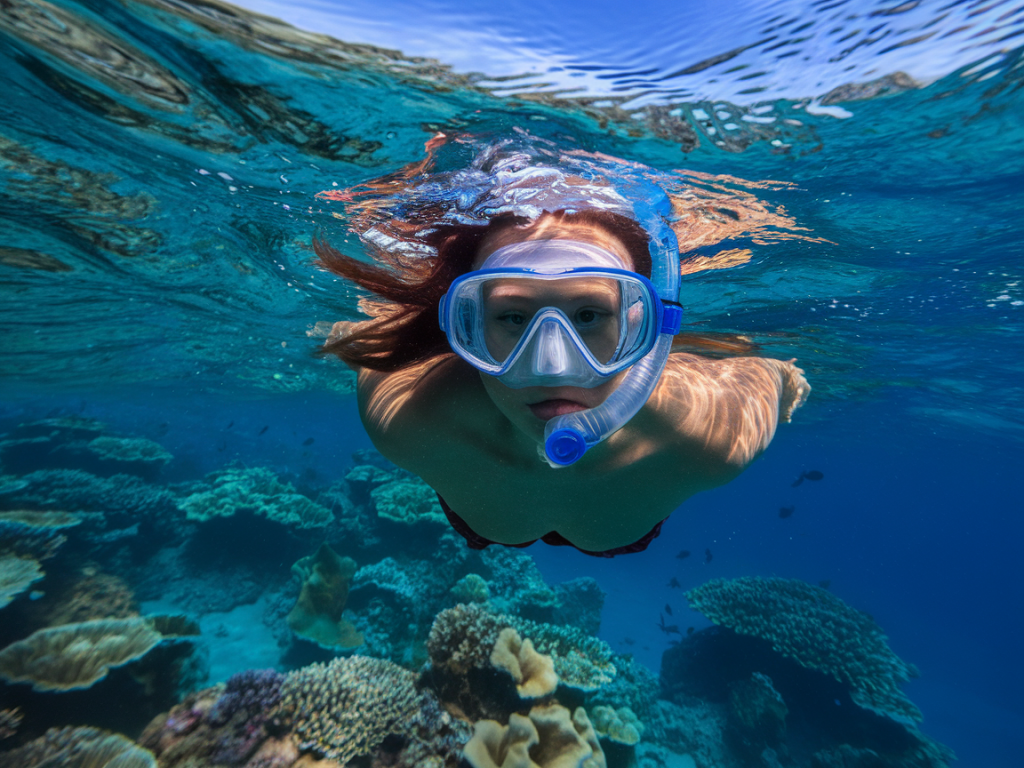
Fogging happens when warm, moist air from your face condenses on the cooler inner surface of the mask. Oily lotions and certain sprays can increase surface residue and make fogging worse. Mineral sunscreens tend to be thicker and can leave a slight film—if applied too close to the eye area they may contribute to fog. There are simple ways to avoid this while still using reef-friendly products:
- Apply sunscreen and allow it to fully absorb before putting your mask on—10–15 minutes is a good rule of thumb if you’re not in immediate sun.
- Avoid applying sunscreen on the nose bridge and the parts of the face that the mask seals against. Use a tiny amount of non-comedogenic face lotion or water-based sunscreen around the seal instead, or rely on a physical barrier like a thin bandana under the mask strap to reduce leakage.
- Consider using a dedicated anti-fog solution or a tiny dab of baby shampoo on the inside of the mask, rubbed then rinsed, which can be more effective than relying on the sunscreen to keep the mask dry.
Does sunscreen wash out reef colours?
Some chemical sunscreens have been shown in lab studies to harm corals and other marine life; they don’t literally “wash out” colours in the way that bleach does, but they can impair coral health and reduce resilience over time, which affects reef vibrancy. Mineral sunscreens are less likely to do that. What really matters is minimizing the amount of product that enters the water. Don’t shower off completely-escaped sunscreen into shallow reefs—try to reapply on land or in areas without coral, and towel off before entering the water.
How to choose the right formula for snorkeling in Lanzarote
Here are the practical considerations I use when picking a sunscreen for snorkeling around Lanzarote:
- Active ingredient: Prefer zinc oxide or non-nano titanium dioxide.
- SPF and broad-spectrum: SPF 30–50 with broad-spectrum coverage (UVA and UVB).
- Water resistance: Look for at least 40–80 minutes of water resistance; you’ll still need to reapply after long swims or tow sessions.
- Texture: Creams and sticks are less likely to drift into the water immediately than sprays. Sticks are excellent for precise application (nose, ears, around mask straps).
- Fragrance and oils: Unscented and oil-free formulas reduce mask-slippage and fogging.
- Packaging size: Small stick or travel tube for day trips; larger for longer stays but check ingredient list first.
Products I’ve tested and why I like them
I routinely test gear in real conditions and have found a few sunscreens that balance protection, reef safety and mask performance. A few examples I reach for:
- EltaMD UV Physical SPF 41 (zinc + titanium) — lightweight tint option, non-comedogenic, works well under mask when allowed to set.
- Blue Lizard Sensitive Mineral SPF 30 — unscented, sticks well to skin, good for face and around mask edge when applied with a thin hand.
- Badger Unscented Zinc Oxide SPF 30 — thicker cream, very reef-conscious ingredients. I use it on exposed shoulders and back rather than directly under the mask seal.
None of these are perfect for every situation; my approach is to use a stick or light mineral lotion close to the mask edges, allow time to set, and apply cream to shoulders and torso on land.
Application tips to prevent fogging and reduce runoff
- Apply sunscreen at least 10–15 minutes before entering the water so it can bind to the skin.
- Use a stick for masking areas (nose, temples) and a cream for larger surfaces. Sticks are especially handy because they don’t spread as much into the surrounding water.
- Towel off briefly before getting in; this removes excess residue that would otherwise disperse into the water immediately.
- Avoid sprays near reefs—sprays disperse into the air and water more easily and are harder to control.
- Reapply on land between sessions or at least in shallow sandy areas away from reef formations.
Quick comparison table
| Feature | Mineral cream | Mineral stick | Chemical sunscreen (not recommended) |
|---|---|---|---|
| Reef impact | Low | Low | Higher (oxybenzone, octinoxate concerns) |
| Mask fog risk | Medium if applied thickly | Low (precise application) | Variable; sprays can increase fogging |
| Water resistance | Usually good (40–80 min) | Good for face/ears | Often very water-resistant but avoid for reefs |
| Ease of reapplication | Messier | Easy and neat | Easy but environmentally problematic |
Practical packing list for a snorkel day in Lanzarote
- Mineral sunscreen stick for face and mask edge
- Mineral lotion for shoulders/back
- Small towel to wipe excess before entering water
- Anti-fog or baby shampoo for mask maintenance
- Reusable water bottle and sun-protective clothing (rash vest) to reduce sunscreen needs
Final on-site habits I follow
I tend to combine physical sun protection with sunscreen: light long-sleeve rash vests for long drift snorkels, hats and shade between swims, and a mindful application routine. Minimising sunscreen in the water isn’t about being stingy with protection—it’s about pairing good habits with reef-friendly products so Lanzarote’s underwater landscapes stay vibrant for all of us.