Los Hervideros is one of those places that looks like a moonscape from the shore and a dramatic cathedral of black rock below the surface. I’ve snorkelled there more times than I can count, and each trip teaches me something new about timing, tides and how unforgiving volcanic coastline can be. Below I’ll share the route I use, the best times to go, what kit I always take, and the safety checks I never skip. This is a place for careful planning, not impulse swims — but when the conditions are right it’s simply unforgettable.
Why snorkel the lava tunnels at Los Hervideros?
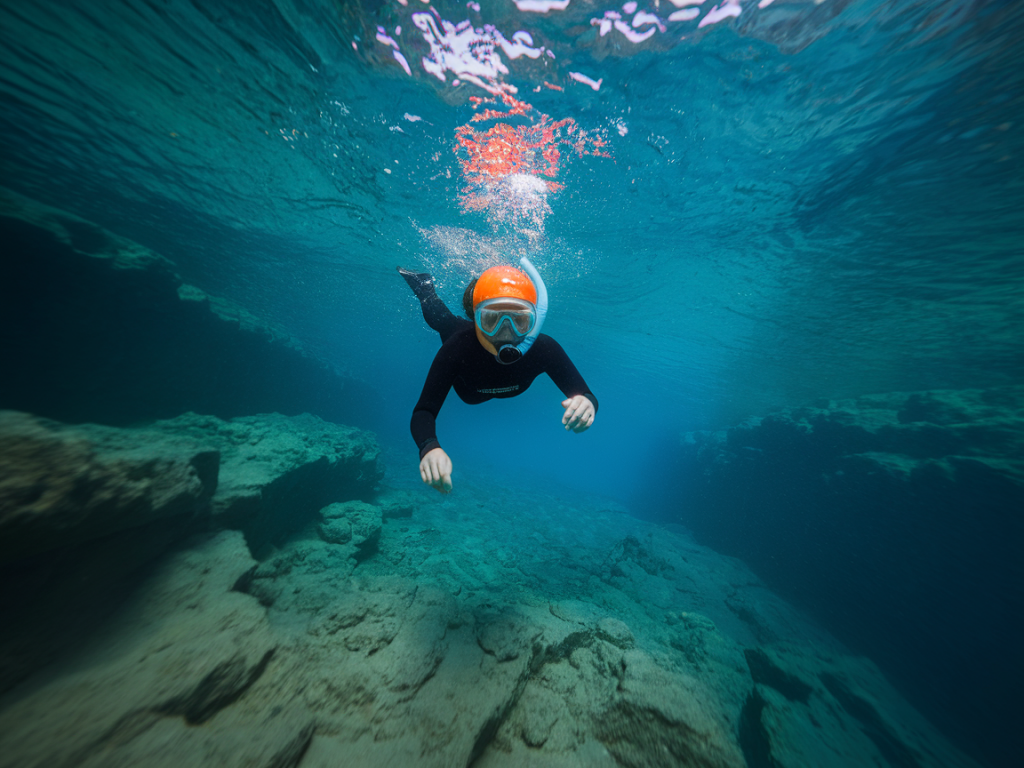
Underwater the lava has carved tunnels, swim-throughs and striking drop-offs where the contrast between black rock and blue water is stunning. Visibility often reaches 10–20 metres on calm days and you can see delicate sea fans, moray eels tucked into crevices, and shoals of local fish like bogas and salemas. For me the attraction is a mix of geology and marine life: you’re literally moving through a landscape formed by cooled lava, and that gives the dives a cinematic feel.
Route and access — how I plan the swim
There are several parking points around Los Hervideros; I usually park near the viewpoint car park and walk along the coast to the entry I prefer. I favour the small rocky bay just west of the main blowholes because it offers a sheltered entry when the swell is modest and provides direct access to the tunnel systems that run parallel to the coastline.
My typical route:
Best timing: tides, swell and wind
Timing is everything at Los Hervideros. I check three variables:
Seasonally, summer and early autumn give the warmest water (22–24°C) and more settled weather, but spring can bring excellent visibility if the swell is low. Always check local forecasts (AEMET and Windy), consult tide tables and ask a local dive centre if unsure.
Essential kit I take every time
I travel light but safe. My standard kit for Los Hervideros:
| Mask & snorkel | Low-volume mask for easy clearing; dry-top snorkel if there's any chop |
| Fins | Stiff, open-heel fins for control around rocks (I use Mares or Atomic Aquatics) |
| Exposure protection | 3/2mm shorty or full 3mm wetsuit depending on season; neoprene socks for sharp rock |
| Snorkel vest / buoyancy aid | Inflatable snorkel vest for visibility and rest — I recommend the Cressi Travel or Oceanic snorkel vests |
| Gloves & hood | Thin neoprene gloves protect hands near rough lava; hood in spring/autumn |
| Surface marker / whistle | Safety sausage or SMB and a whistle to attract attention if needed |
| Waterproof torch / dive light | For tunnel mouths and crevices — choose a compact, bright torch like the Bigblue LUX |
| Knife / cutting tool | Small reef-safe knife in case of entanglement |
| Helmet (optional) | If you intend to cautiously explore tight tunnel entrances on very calm days |
Safety guidelines — what I never do
These aren’t meant to alarm you — they’re simple rules that keep me and my guests safe.
Local tips and logistics
Parking fills quickly in summer, so arrive early (sunrise is perfect). Bring sturdy shoes for walking on the hot basalt and avoid flip-flops — the edges are sharp. There are no lifeguards at Los Hervideros, so mobile reception may be patchy: I bring a VHF or ensure my emergency contact knows my plan when I’m guiding.
If you’re new to the area or unsure about conditions, book a guided snorkel with a local dive centre. I often work with centres in Lanzarote for guided sessions; they know the micro-conditions and will point you to the best entry points and tide windows. Guided trips also typically provide emergency kit and surface support.
Quick checklist
Snorkelling the lava tunnels at Los Hervideros is one of those experiences where preparation and respect for the sea reward you with extraordinary scenery and wildlife encounters. When you go, go prepared, go slow, and savour the unique feeling of swimming through a landscape shaped by fire and sea.