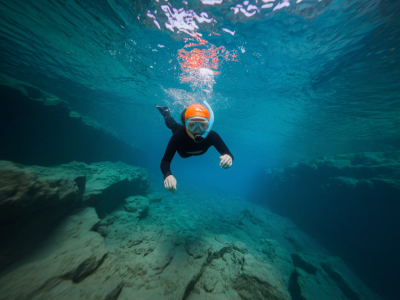
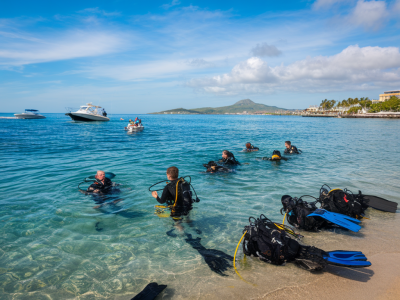
I love combining two very different coastal experiences: a short night hike to enjoy sunset and stars, followed by a cautious, tide-aware snorkeling leg at low light near Playa Blanca. If planned properly, this loop becomes a magical way to see the island’s coastline — volcanic cliffs, rock pools and nocturnal marine life — without taking unnecessary risks. Below I share the route I use most often, how I time it with tides, the gear I trust, and safety checks I never skip.
Why combine night hiking with tide-aware snorkeling?
Combining a coastal night hike and a snorkeling stretch gives you a fuller sense of the shore’s rhythm. On land you notice birds settling, wind and stars; in the water you meet different creatures and see how currents shape the rocky seabed. At Playa Blanca the terrain is compact enough to make a loop that fits into an evening, but changeable enough that tides and light matter.
Route overview — the coastal loop I use
The loop I typically do starts near the promenade at Playa Blanca, follows the coastal track east toward Montaña Roja, then returns via the sheltered inlets and rocky pools near Playa Dorada. The hike portion is about 4–5 km total and the snorkeling leg is usually a 300–700 m coastal swim depending on tide and visibility.
Timing — how tides and light affect the plan
The single most important planning element is the tide schedule. I always aim to enter the water on a falling tide that’s approaching low, not on an incoming tide. Why? On a falling tide the current normally moves offshore and the water level lowers, which helps keep waves and surge away from the rocky entry points. Incoming tides can concentrate current and increase surge around headlands — not ideal at night.
Typical timing I use:
| Start hike: | ~90–120 minutes before sunset |
| Sunset to stars: | enjoy the ridge and views — 30–45 minutes |
| Snorkel entry: | ~30–60 minutes after sunset on a falling tide (near low water) |
| Exit and return: | back to Playa Blanca promenade within 2–2.5 hours total |
This schedule is flexible — if visibility is poor or swell increases, I shorten the water portion or postpone it entirely. If you prefer longer snorkeling, do it earlier in the evening when residual daylight helps you orientate.
How to check tides, swell and currents
Before leaving I check three things:
Entry and exit points I use
There are a few options; I favour sheltered rock pools and small coves rather than the main beach entries at night.
Essential kit for a night hike + tide-aware snorkel
Pack light but smart. My standard kit includes:
Safety checklist — what I do before each loop
My personal pre-trip checklist is short and strict:
What you’re likely to see
Night snorkeling reveals different behaviour. Around Playa Blanca I often see:
Be gentle: don’t chase or corner animals. Use a torch briefly and move slowly; many species will freeze or hide if stressed.
Common mistakes I see and how to avoid them
People often underestimate the effect of tide and overestimate their orientation in the dark. Avoid these mistakes:
Logistics and timing examples
For clarity, here’s an example schedule for a spring evening where low tide is at 21:00 and sunset 20:00:
| 18:30 | Arrive, kit up, final checks |
| 19:00–20:00 | Coastal hike to viewpoint, eat a small snack |
| 20:15 | Sunset — move down toward entry cove |
| 20:45 | Enter water at falling tide approaching low |
| 21:30 | Exit, change, return to promenade |
I keep the plan conservative: if anything feels off — wind picks up, visibility drops, lights fail — I call it and head home. This is not the time for heroics.
If you try this loop, tell me how it went and what you saw. I’m always happy to tweak the route for different skill levels or help plan a guided evening for a small group through the contact page at Scubalanzarote Co.