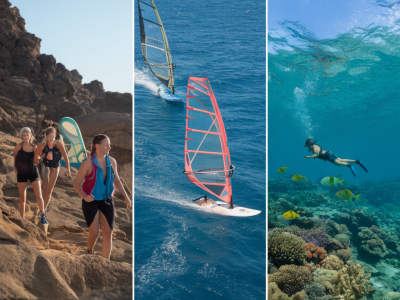
When I head north along Lanzarote’s rugged coastline—whether for a solo hike across the lava fields above Famara or a windsurf session off the more exposed headlands—I pack an emergency kit tailored to the island’s particular challenges: strong sun, fickle winds, few shaded routes, sparse phone signal in some coves, and rocky terrain that can turn a simple outing into an uncomfortable or dangerous situation. Over the years I’ve refined what I carry so it’s light enough to keep moving but comprehensive enough to get me out of trouble alone.
Why a specialised kit matters on Lanzarote’s northern coast
The north of the island is beautiful but uncompromising. Trails are often exposed, paths cross recent lava flows, and the Atlantic’s weather can switch fast: calm in the morning and gusty by afternoon. If you’re solo, you don’t have someone to run for help or share supplies. I can’t stress enough that an emergency kit isn’t about panicking—it's about self-reliance and buying time until rescue or help arrives.
Core principles I follow when packing for a solo outing
My standard emergency kit list
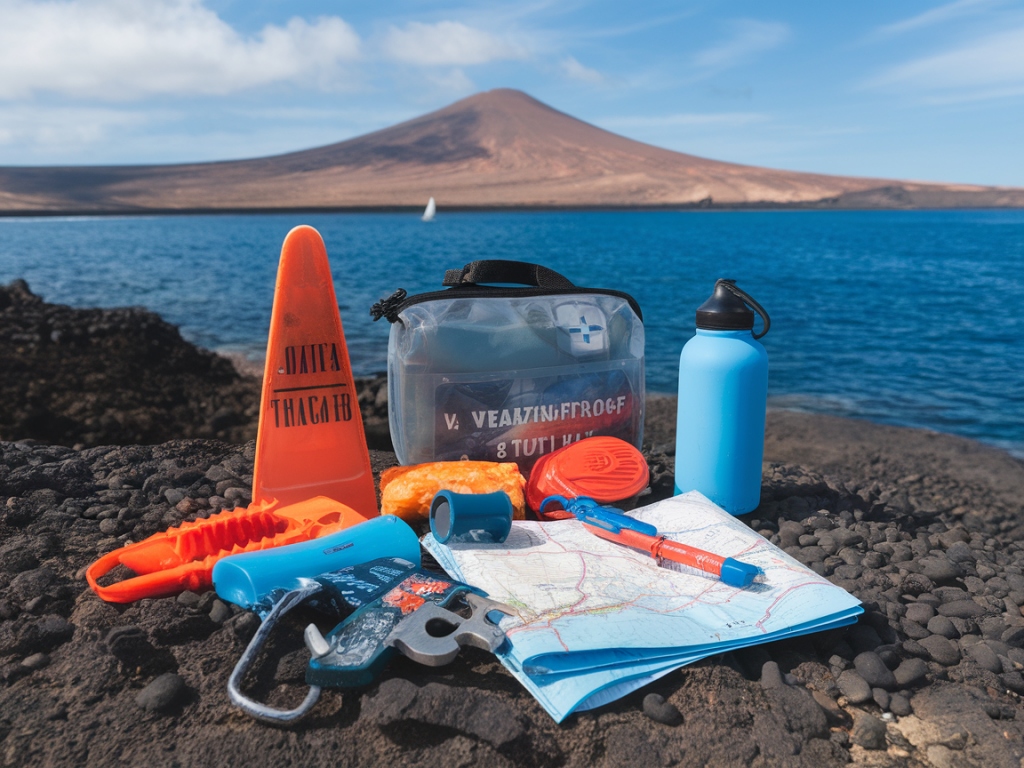
Below is the pack I won’t leave home without when I go solo along the northern shore. Tweak quantities and exact items to suit your fitness level, outing length and season.
How I store and organise the kit
Everything goes into a waterproof dry bag or a dedicated emergency pouch in the front compartment. For hiking I use a small 10–15L daypack with an easily accessible top pocket containing water, a whistle and my phone. For windsurfing I keep the most essential items in a bright floatable dry bag stored on the board (if conditions allow) and a waist pouch with phone, whistle and small power bank. Visibility matters—bright colours and reflective trims help if you need to be spotted from the air or by passing boats.
Communication choices: phone, VHF, PLB or satellite?
On many parts of the northern coast mobile signal is patchy. I usually carry my phone but I don’t rely on it alone. Consider these options:
Skillset and training I recommend
Carrying kit is one thing—knowing how to use it is another. Before heading solo, make sure you can:
When and how to alert others
I always leave a trip plan with a friend or the local dive/windsurf school: where I’m going, what time I expect to return and a short route description. If I don’t check in by the agreed time, they know to raise the alarm. If you must call for help, give clear coordinates, a description of your clothing and equipment, and any injuries. Keep calm and use your whistle/mirror if you hear or see rescuers nearby.
Local contacts and practical tips
Save local emergency numbers before you go and identify nearby dive centres, ports or lifeguard stations. On Lanzarote the coastal rescue services are experienced with both walkers and watersports users—if you’re unsure about weather or sea conditions, call a local centre for a brief briefing. I also recommend talking to other locals at the trailhead or beach; they often know about recent changes in access, tide behaviour or hidden hazards.
| Item | Why I carry it |
| Water + electrolytes | Prevent dehydration; heat is a major risk. |
| PLB / InReach | Reliable SOS when mobile is unavailable. |
| Foil blanket / bivvy | Thermal protection if stuck overnight or after immersion. |
| First aid kit | Treat cuts, blisters and control bleeding. |
| Multi-tool + duct tape | Quick repairs for kit and equipment. |
| Sun protection | Prevent sunburn and heatstroke. |
One final practical note: test new gear on short, low-risk outings before you rely on it in a remote section of the north coast. Familiarity reduces fumbling in emergencies. With a well-thought-out kit, basic training and a clear plan left with someone at home, solo adventures on Lanzarote’s northern shore are not only possible—they’re deeply rewarding.