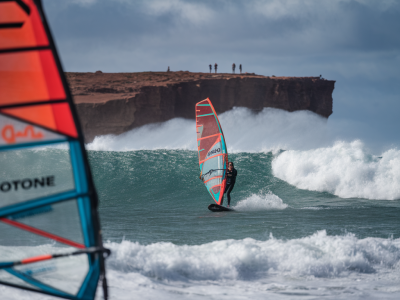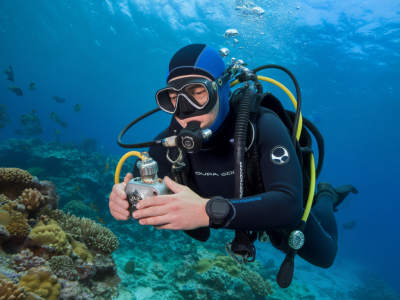
Living and working on Lanzarote means I’m constantly switching between hikes across volcanic ridges, windsurf sessions off Famara and shore dives around Papagayo. Over the years I’ve learned the value of a compact, multi-purpose emergency bag that travels with me in the car, strapped to a board or stashed in a daypack. It’s small enough to carry without getting in the way, but contains the essentials that realistically solve the problems I face out on the island — sprains, small cuts, lost warmth, sudden weather changes, or a boat that’s late returning.
Principles that guide what I pack
I pack for utility first: items must be lightweight, durable and have multiple uses. Space is limited so every piece earns its place by performing more than one job. I also favour gear that tolerates saltwater and volcanic sand (which ruins cheap fabrics), and I choose items I’ve actually used in the field rather than things I think “might” be useful.
- Compact and durable: waterproof or water-resistant where possible.
- Multi-function: one item, several uses (e.g. a bandana as a sling, sun-shield or filter).
- Easy to access: stored in a way that I can grab it with cold or wet hands.
- Conservative medical approach: treat small issues quickly, stabilise major problems and call for help early.
The bag itself
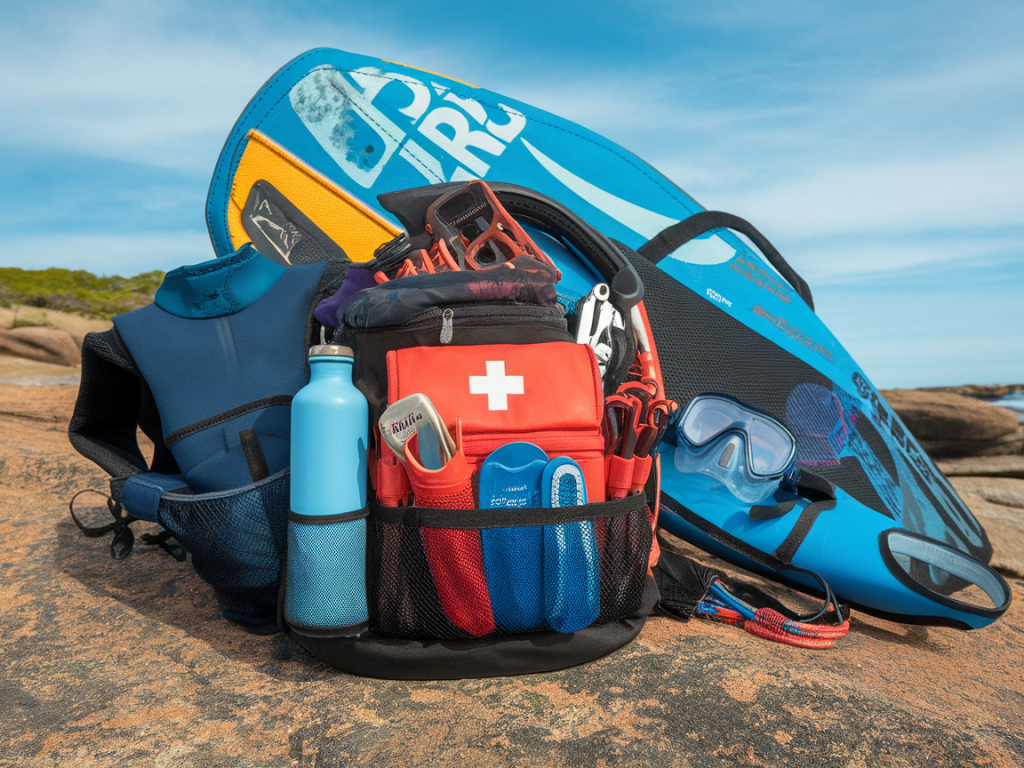
I use a 5–8 litre waterproof dry bag (my current pick is an Aquapac Expedition Pouch style or Sea to Summit TPU roll-top pouch). It’s small enough to carry as a shoulder sling or stash in a board bag, but big enough for the items below. The roll-top keeps sand and salt out, and the bright colour makes it easy to spot on rocky shorelines.
My go-to emergency kit (what’s inside)
Below I list the items I always bring. I keep duplicates of a few tiny things (gloves, safety pins) because they disappear more often than I expect.
- Basic first aid: small waterproof pouch with adhesive plasters (various sizes), sterile non-stick dressings, 2–3 sterile gauze pads, microporous tape, antiseptic wipes (chlorhexidine), blister plasters, and a few adhesive sterile strips. I use a lightweight manufactured medikit from Lifesystems as the base and supplement it with island-specific items.
- Compression and support: a compact elastic bandage (7–10cm) — useful for sprains, as a sling or to secure a dressing.
- Antiseptic ointment and antibiotic option: small tube of antiseptic (povidone iodine/antibiotic ointment) because coral or volcanic rock cuts can get infected quickly.
- Pain and allergy meds: paracetamol/ibuprofen tablets, antihistamine (cetirizine), and aspirin for suspected heart events (plus note to seek medical help).
- Burn and sun treatment: small aloe gel sachet for sunburn or minor thermal burns from hot surfaces.
- Gloves and CPR mask: nitrile gloves (2 pairs) and a compact CPR face shield. Gloves protect from bloodborne contamination; the CPR mask is tiny but crucial.
- Thermal protection: a 120 x 80 cm space blanket (mylar emergency blanket) — it packs flat and is a lifesaver for shock or unexpected cold after a dive or a long wait on shore.
- Multitool and repair kit: Leatherman Wave or similar small multitool, plus a roll of 3M tape (medical/durable), a few cable ties, and a patch kit for wetsuits/boards (small tube of Aquasure or neoprene glue). These items have saved sessions more than once.
- Signalling and light: whistle on a cord, compact signal mirror, and a small waterproof torch/headlamp (I use a Petzl Actik or similar). I carry a spare set of small AAA/Lithium batteries sealed in a Ziploc.
- Fire and warmth: a mini lighter (or two) in a waterproof capsule and waterproof matches. Lighters are useful for signalling, melting tape ends, or starting a small emergency fire if absolutely necessary and safe.
- Water treatment: lightweight SteriPEN-style purifier isn’t practical in every setup, so I carry water purification tablets as a backup and a 500 ml soft collapsible bottle (Nalgene or Sea to Summit) that stows flat when empty.
- Navigation and communication aids: whistle and mirror already mentioned; I also keep a small waterproof notebook and pencil, and a compact compass. If I’m going farther afield I take a Personal Locator Beacon (PLB) or SPOT device depending on the route.
- Spare phone cable and battery: tiny USB power bank (10,000 mAh is ideal for several charges) in a tiny dry bag. Also a short, rugged USB-C or Lightning cable — phones die fast when you’re using GPS or photos all day.
- Spare dive/wind gear items: I tuck in a spare mask strap, a small roll of mask strap repair (or a band from a wetsuit), and a basic fin strap from a pair of redundant fins. For windsurfing I carry a short section of rope and a few shackles to jury-rig a leash/repair.
- Hydration and nutrition emergency: electrolyte powder sachets and a couple of high-calorie energy bars (cliff bars, Trek). They are compact and stow well.
- Personal medications and documentation: I keep a waterproof card with my blood type, emergency contacts, allergies and a brief medical summary. If I’m guiding clients, I carry signed copies of their medical forms too.
How I organise the contents
Organisation matters more than having fancy gear. I group things in smaller dry pouches inside the main bag: first aid, tools/repairs, and electronics/power. That way I can grab what I need without dumping everything on a windy cliff. A small carabiner on the outside holds the whistle and a tiny torch for instant access.
Weight, redundancy and legal considerations
I try to keep the bag under 1.5 kg when packed for a day trip. For longer expeditions or when I’m guiding, I add a PLB and more medical supplies. Check local rules if you’re carrying signalling devices or PLBs — nothing major on Lanzarote but good to be aware of marina and park regulations.
Examples of failure modes this kit has fixed
- After a shore dive, a buddy got a deep toe cut on volcanic rock — the gauze, tape and antiseptic controlled bleeding until we could drive to a clinic.
- A snapped mast line during a windsurf session — cable ties, shackles and tape let us lash a temporary repair to get back to shore.
- Unexpected nightfall on a hike — headlamp, space blanket and electrolyte sachets made a long wait comfortable until the pickup arrived.
Final notes on maintenance and local tweaks
I check the bag before every trip: batteries, expiry dates on medications and water tablets, and the integrity of waterproof pouches. On Lanzarote I always add extra sun protection (reef-safe SPF 50), and often throw in a lightweight face buff for wind-driven sand. Tailor the kit to your activities — a windsurfer and a hiker will have slightly different priorities, but the core items above cover most island emergencies.
If you’d like a printable checklist or a downloadable packing template formatted for car, board or backpack storage, say the word and I’ll put one together for Scubalanzarote Co readers.