Foggy masks are one of those small annoyances that can ruin a perfect snorkel or distract during a drift dive. Over the years I’ve tried everything from supermarket toothpaste to purpose-made defog drops, and I’ve tested them in the Atlantic, protected bays and deeper visibility dives around Lanzarote. Below I share what actually works, how I test products, and practical tips so you can see clearly — whether you’re snorkeling off Papagayo or guiding a night dive.
Why masks fog up
Mask fog forms when warm, moist air inside the mask condenses on the cooler lens surface. Human breath and body heat are the main culprits, plus any thin film (factory coating, oils, sunscreen, detergent residues) on the glass. Understanding that makes it obvious why the best solutions either remove the film or create a barrier that prevents droplets from forming.
What I test and how I test it
For consistency I compare the same low-volume tempered glass mask across methods: saliva, toothpaste (non-gel), baby shampoo diluted, commercial defog sprays (Sea Drops and a couple of dive-centre house brands), and a commercial wipe. Tests include:
I always rinse masks with fresh water between tests and let them air dry overnight to remove any leftover chemicals so tests are fair.
Real-world results — what I found
| Method | Initial clarity | Typical anti-fog duration | Pros | Cons |
|---|---|---|---|---|
| Sea Drops (commercial defog) | Immediate crystal clear | 40–90 minutes (varies with water temp) | Very reliable, no streaks, small bottle | Cost, need reapplication if wiped |
| Generic defog spray (dive shop brands) | Very good | 30–60 minutes | Affordable, readily available | Some leave mild residue |
| Baby shampoo (diluted) | Good after rinsing excess | 20–45 minutes | Cheap, gentle on lens | Needs careful rinsing to avoid streaks |
| Toothpaste (non-gel, abrasive) | Great for initial de-factory coating | Not a lasting anti-fog — more a prep step | Removes factory film effectively | Too abrasive for repeated use; not for frequent on-water application |
| Spit (saliva) | Surprisingly effective immediate | 10–30 minutes | Always available, no cost | Less pleasant socially, shorter duration |
| Anti-fog wipes | Excellent fresh application | 45–90 minutes | Convenient, portable, tidy | Single use (cost), some brands sticky |
How I use each method — practical tips
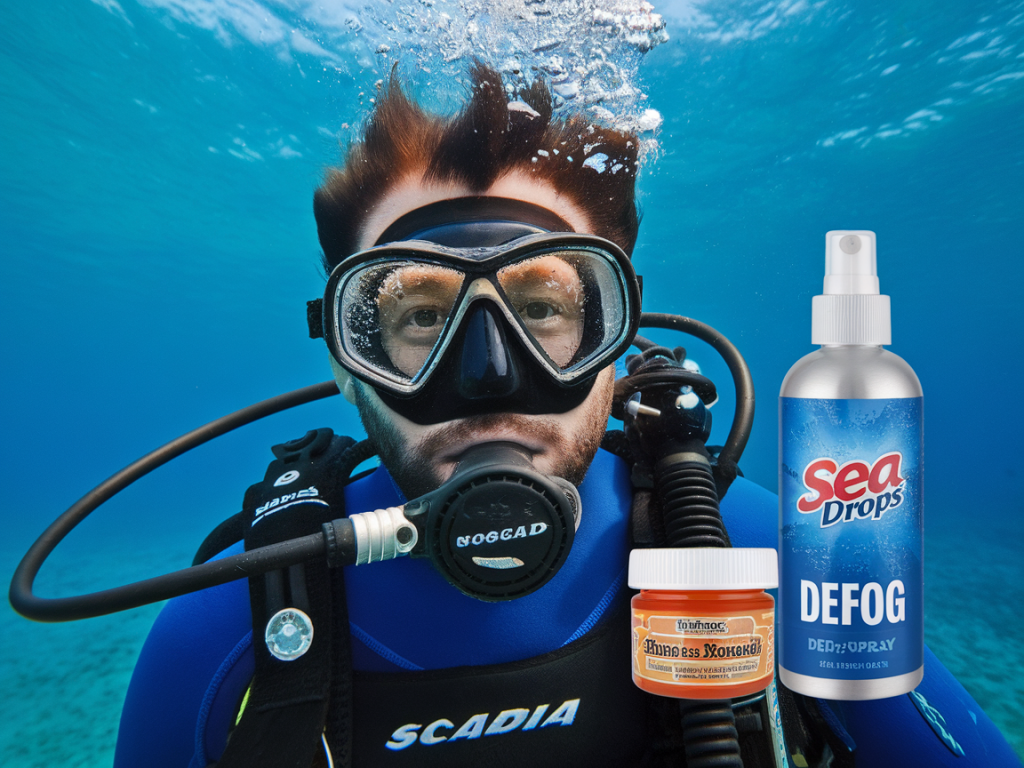
Sea Drops and commercial sprays: I apply a couple of drops to each lens, rub evenly with my finger, let it sit 10–20 seconds then rinse lightly with fresh water (some people skip rinsing; I prefer a quick rinse to avoid streaks). On longer dives I’ll reapply at the surface between dives. Sea Drops performed best overall in choppy water and when I’m under a hood — it handles the extra humidity well.
Baby shampoo: Use a tiny drop on each lens, rub gently, and thoroughly rinse. If you leave too much shampoo it will streak when it dries. I mix baby shampoo into a small bottle with distilled water for travel; it’s cheap and gentle on silicone skirts and lenses.
Toothpaste: Excellent for removing the factory anti-fog film on a new mask. Use a plain non-gel toothpaste, smear a small amount on each lens and rub for a minute, then rinse until all paste is gone. Don’t make toothpaste a regular on-water anti-fog — it wears lens coatings over time.
Saliva: Quick fix when nothing else is available. Spit, rub, and rinse lightly. Works well for short snorkels and calm conditions. For professional settings or guiding clients I avoid it for hygiene reasons.
Anti-fog wipes: Great when I’m guiding and want a clean, tidy solution. Wipes can leave a longer-lasting film and are perfect for travel or handing to a guest in a dive centre.
Common mistakes to avoid
Maintenance and long-term care
Rinse your mask in fresh water after every session to remove salt and sunscreen. Occasionally clean lenses gently with a non-abrasive cleaner and avoid paper towels — they can scratch. Store the mask in a shaded hard case, away from direct sunlight to prevent silicone degradation and to keep any anti-fog treatments working longer.
My personal recommendations
If you want a single go-to product for most situations I use Sea Drops in my kit for guiding and personal dives; it’s compact, reliable and performs consistently in windy Famara conditions and in cold drift dives. For travel and budget options, a small bottle of diluted baby shampoo is an excellent backup. Use toothpaste only as a first-time prep to strip the factory coating.
When I’m teaching beginners I keep wipes and small Sea Drops bottles in the kit. They make prepping a group quick and avoid the awkwardness of asking multiple people to spit in their masks. Ultimately, the right technique plus a modest product will keep your mask clear longer than relying on luck alone — and clear vision makes all the difference underwater.