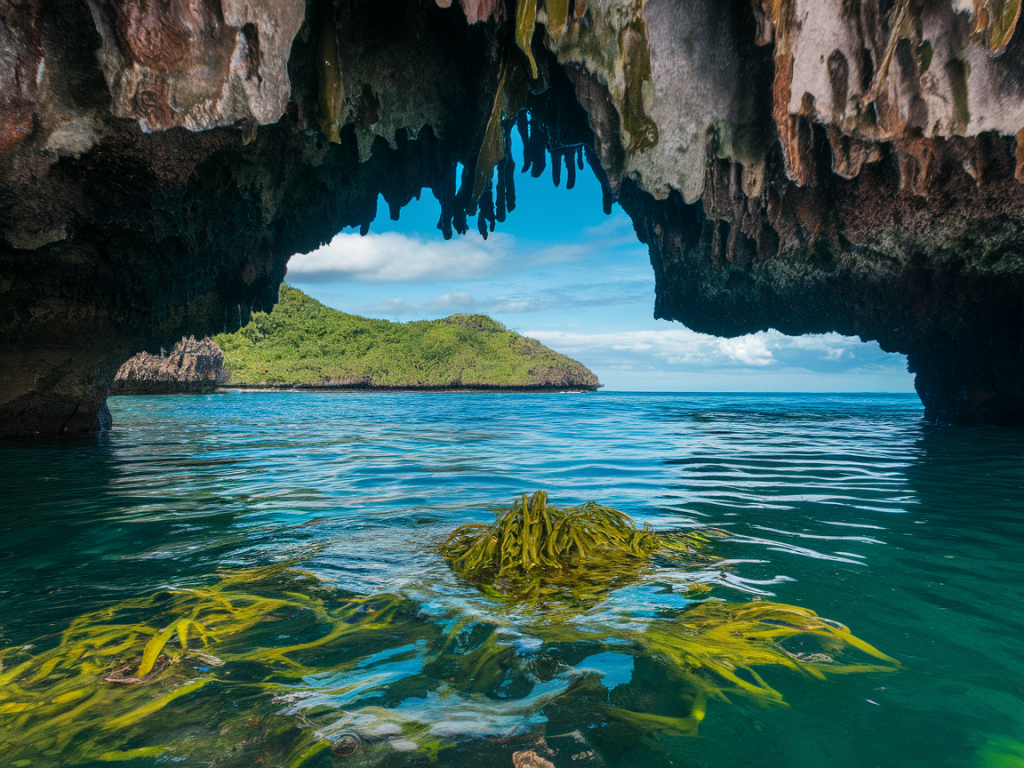
I’ve snorkelled Papagayo’s sea caves more times than I can count, and timing is everything. The jagged cliff entrances, limpid water and dramatic volcanic rock make this one of Lanzarote’s most photogenic snorkel spots — but the same features that draw people here also create hazards if you go at the wrong tide or when winds and swell are unfavourable. Below I’ll share the practical timing windows, my favourite entry routes, what I always bring and what I leave on the sand, plus a few on-the-water tips to keep your trip safe and enjoyable.
Why timing matters here
The Papagayo coastline is exposed to Atlantic swell and local wind patterns. The caves and narrow channels amplify currents and surge, and low tides can leave rocks and sudden shallow shelves directly underfoot. When the tide is high and the sea calm, the caves open up beautifully: you get easy entries, deeper clear water and gentle visibility. At the wrong time, those same caves become surge traps with limited manoeuvring room.
Best tide windows
In simple terms, aim for a rising tide or high tide with offshore wind (north or north-east on Lanzarote). I avoid going on a strong ebb tide because the current can pull you out through narrow passes. Below is a quick reference table I use before heading out — check a reliable local tide table (or the Puertos del Estado site) and then cross-reference with the wind and swell forecast.
| Condition | Ideal timing | Why |
|---|---|---|
| Calm sea, small swell | High tide ±1 hour | Best visibility and easy cave access |
| Light onshore breeze (southerly) | Rising tide, not extreme | Manageable surface chop; avoid strong surge |
| Strong onshore wind or large swell | Avoid | Dangerous entry/exit, unpredictable currents |
| Ebb tide (falling) | Only for experienced swimmers with local guide | Strong outward current through cave mouths |
How I check conditions before leaving the house
My routine is quick but thorough:
- Check the local tide times and heights — I use the Puertos del Estado site and a tide app for quick reference.
- Look at wind forecasts (Meteo Lanzarote or Windfinder) and local webcam feeds if available.
- Check swell height and period — a long-period swell can create unexpected surge inside caves.
- Look at recent trip reports on local Facebook groups or call a nearby dive/snorkel centre for a quick update.
Entry routes I use (and why)
There are several ways to access the Papagayo caves depending on where you park and the sea state.
- Main beach stairs entry: The most common. Park in the official area and take the marked path down. I prefer this when the water is calm because it gives a sheltered swim out to the caves. Wear neoprene booties — the volcanic stairs and rocks can be sharp.
- From a small inflatable or SUP: If you have a small rigid kayak, SUP or Rolled-up inflatable, you can paddle out to the cave mouths. This is my favourite for photography because you can position yourself gently and avoid long swims. Launch from a sandy bay and keep an eye on the wind direction; paddling back against a gusty sea is tiring.
- Walking the headland: For certain caves I’ll walk a short coastal path to a secluded rock ledge and slip in. Only attempt this if the sea is calm and you’re confident with rocky entries — one misstep can lead to cuts or worse.
What to bring with you (essentials)
I pack light but never leave these behind:
- Mask, snorkel and fins — suit the conditions. Stiffer fins for longer swims; shorter, travel fins for getting in and out quickly.
- A thin wetsuit (2–3mm) or a shorty — water around Papagayo can be surprisingly cool, especially when you’re stationary in a cave taking photos.
- Waterproof surface marker buoy (SMB) if you’re going solo or away from shore — it increases visibility and provides something to hold onto.
- Small waterproof bag for phone and keys, or better still, leave them ashore in a lockable car if possible.
- A reef-safe sunscreen and a hat for pre/post snorkel sun protection.
What to leave on the sand (and why)
Less is more on a snorkel day at Papagayo. I always leave these items on shore:
- Valuables (wallet, spare keys, large cameras) — if something gets wet or stolen, you don’t want to be far from help.
- Heavy backpacks — they make scrambling back on to slippery rocks harder and increase the risk of tearing wetsuits.
- Non-biodegradable stuff I don’t need in the water (plastic bags, single-use bottles). Take them with you or leave them at home.
On-the-water safety tips
Once you’re in the water I use a simple checklist to stay safe and alert:
- Swim the line of least resistance — if you feel a steady pull, don’t fight it; swim at an angle parallel to the coast toward calmer water or head for a sheltered bay.
- Use a buddy or at least make sure someone on shore knows your plan and approximate return time.
- Keep an eye on the cave entrance from inside — swell can close an exit quickly and create a dangerous surge. If the cave entrance narrows with the swell, it’s time to exit.
- Keep a slow, even breathing pattern — it helps prevent panic and conserves air if you’re freediving into minor overhangs.
Photography and behaviour in the caves
The caves are fantastic for photos, but please follow a few rules I always respect:
- Don’t touch the rock or the seabed — coral and algae (even on volcanic rock) are fragile and recover slowly.
- Use a red filter or adjust white balance for underwater shots — the warm cave tones disappear quickly in camera RAW.
- If you see marine life, give it space. Many fish use caves as refuges; crowding or chasing will stress them and ruin your photo opportunities.
When to call a guide or join a centre
If you’re new to the area, unsure about tide interpretation, or planning to explore more complex cave systems, book a local guide or join a snorkel trip run by a dive centre. I regularly work with local outfits who know the microconditions of Papagayo and can advise exact windows and safest entry points — it’s worth the small cost for peace of mind.
Quick gear recommendations
My go-to gear for Papagayo trips:
- Mask: Cressi or Mares panoramic masks — good field of view and comfortable skirts.
- Fins: Scubapro Jet or Mares Avanti Quattro are solid for open-water swims; short travel fins (Cressi Palau) are handy for entries with lots of walking.
- SMB: Ocean Design or Aqualung compact buoys — easy to pack and inflate.
- Wetsuit: 2–3mm shorty from O’Neill or Rip Curl — keeps you comfortable without overheating.
Finally, be flexible with your plans. I’ve turned up at Papagayo only to change my mind and snorkel a calmer bay nearby because the tide came in stronger than forecast. It’s better to have one spectacular, safe cave session than to push a risky one. If you’re unsure, drop me a message via the contact page on scubalanzarote.co.uk — I’m happy to suggest windows or meet up for a guided session when I’m running trips.

