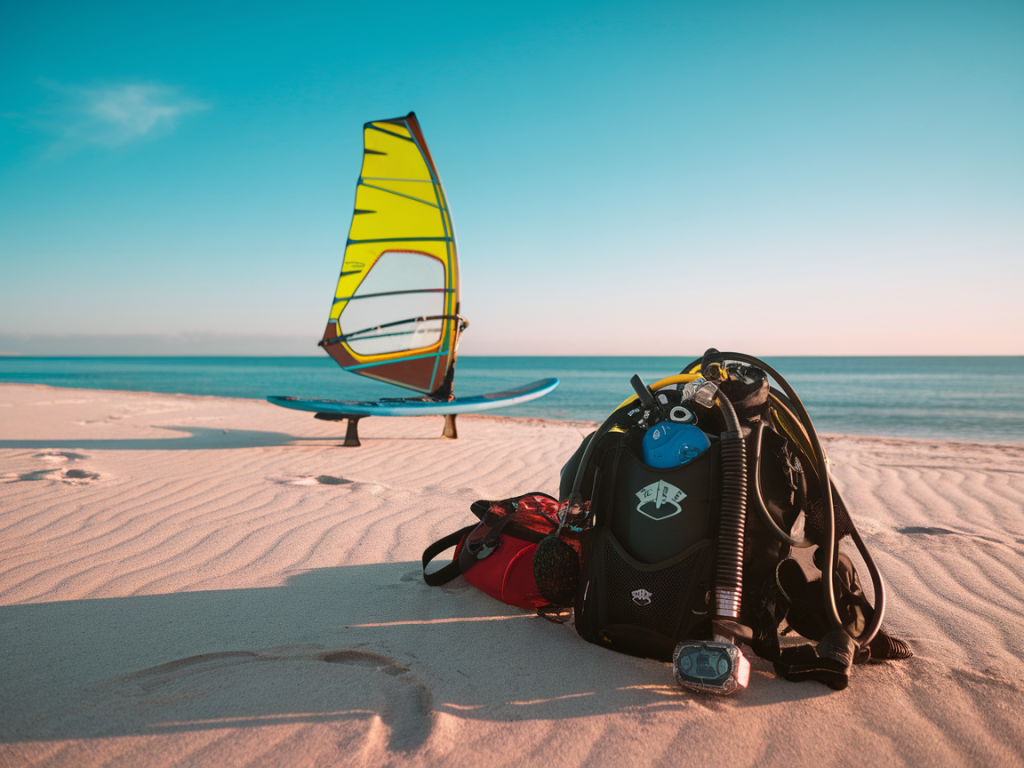
Combining windsurfing and scuba into a single day in Lanzarote sounds ambitious — and it is — but done well it’s one of the most satisfying ways to experience the island’s wind, waves and underwater life. Over the years I’ve run hybrid days for friends and guests: a gusty morning on the planing reaches of Famara, a relaxed surface interval with lunch, then a calm afternoon dive in a volcanic cove. The trick is timing, transport and a few smart gear swaps so you don’t end up carrying too much or missing the best conditions.
Pick the right day — read wind and sea like a local
Start with the forecast. Windsurfing the Famara coast or El Cable requires steady onshore or side-on winds — typically northeast tradewinds from late morning into afternoon. For a beginner-friendly wind session I look for 10–18 knots with some gusts; for planing runs I want 18–25+ knots.
For scuba, I prefer calmer seas and good visibility. That usually means a day with lighter evening or early afternoon winds, or a sheltered dive site such as Playa Chica (Puerto del Carmen), Los Charcones, or the Papagayo coves on the neighbouring islands if doing a longer trip. If swell is forecasted, choose a shore dive in a protected bay rather than an exposed reef.
My rule of thumb: if the wind is likely to build into strong gusts in the afternoon, do windsurfing first (morning window) and then dive in the more sheltered afternoon spot. If the morning looks flat but the afternoon promises steady wind, reverse it.
Plan your logistics — transport and timings
Transportation around Lanzarote is a factor. Distances are short but roads are winding and parking at busy beachheads can be limited.
Here’s a sample timing matrix I use for a Famara windsurf + Puerto del Carmen dive day:
| Time | Activity | Notes |
|---|---|---|
| 07:00 | Drive to Famara | Arrive early for good parking and lighter crowds |
| 08:00–11:00 | Windsurf session | Warm-up, play, longer runs while wind is stable |
| 11:15–12:15 | Shore change and lunch | Simple lunch, hydrate, switch kit |
| 12:15–13:00 | Drive to Puerto del Carmen | Allow extra time for car wash-off and parking |
| 13:30 | Pre-dive briefing | Check tides, entry plan, buddy check |
| 14:00–15:00 | Scuba dive | Single dive or two short dives depending on plan |
| 15:30 | Pack up and head home | Monitor surface interval before flying |
This schedule assumes sites are within 30–40 minutes of each other. If you plan something more distant (e.g. Famara + Papagayo), factor in an extra 60–90 minutes drive and consider swapping scuba to a morning boat trip from Playa Blanca so you avoid rushing.
Packing list and smart gear swaps
Carry what you need, but avoid clutter. I travel with a modular set-up so I can flip between sports quickly.
- Windsurf kit: Board (I use a compact 85–100L travel board when I know I’ll be driving and diving), mast, boom, 3 sails (small/medium/large depending on forecast), harness, wetsuit (2/3mm spring or 3/4mm full depending on season), booties, sunscreen.
- Scuba kit: Lightweight BCD (I prefer a travel BCD or a back-inflate jacket that fits easily into the car), single aluminium 10–12L tank if shore diving, regulator set with octo, dive computer, mask and fins (I favour split fins for better packing), snorkel, and a 3–5mm wetsuit.
- Shared items: Towels, drybags, tool kit (for both sails and dive gear), small pump, spares (fuse, shackles, valves), first aid kit, snack and water, phone with downloaded maps, and a mesh bag for wet gear.
Key swaps I do:
- Wear the windsurf wetsuit for the morning to save changing time; bring a thin shorty to swap into for the dive if needed. In summer I often dive in a 3mm neoprene that’s ok for windsurfing too.
- Leave bulky boots in the car and use lightweight booties for both activities if the conditions allow.
- Pack dive fins and windsurf board/unrigged in separate bags so you can swap out the car trunk quickly.
- Keep your dive mask in a protective case and pack it last so it’s accessible for the post-windsurf rinse and mask prep.
Rinse and refresh — keeping kit functioning between sessions
Salt and sand are the enemy. After windsurfing, rinse harnesses, footstraps and any exposed metal connectors with fresh water before stowing them. I keep a collapsible bucket or a car-mounted spray bottle for a quick washdown at the beach parking.
For dive kit, don’t store regulators or masks damp — rinse and shake excess water out and leave them in a shaded bag. If you’re doing both in one day, it’s fine to bring regulators dirty but avoid leaving them in direct sun and always dry second stage mouthpieces a little to avoid bacteria build-up.
Surface intervals and safety
Respect surface interval rules. If you plan to windsurf after diving, you must wait at least the recommended surface interval before engaging in exertive activity or flying. Generally, heavy exertion increases decompression risk after diving. I recommend doing windsurfing first if there is any chance you’ll do a strenuous session — it’s safer and simpler.
Keep hydrated and avoid alcohol. Dehydration hurts both your windsurfing stamina and your diving safety. Bring electrolytes and plenty of water.
Local tips and favourite pairings
My favourite easy combo is Famara in the morning and a sheltered shore dive at Caleta de Famara (when conditions allow) or a short drive to Playa Chica in the afternoon. For more adventurous days, do windsurfing at La Santa for stronger conditions, then an evening dive at La Santa caves when the sea calms — but only with an experienced local dive buddy.
Work with local operators when you need a boat or extra tanks. Local centres will often store your scuba bottles between activities and can arrange a taxi if you prefer not to move the car. I regularly collaborate with dive centres in Puerto del Carmen and Caleta de Fuste who understand hybrid-day logistics.
Finally, remember to be flexible. Lanzarote’s microclimates mean conditions can change quickly — the best plan is one that anticipates adjustment. With a bit of prep, the right order of activities and a modular kit, a combined windsurf and scuba day can be one of the most rewarding ways to see the island from both above and below the waterline.
