Windsurfing

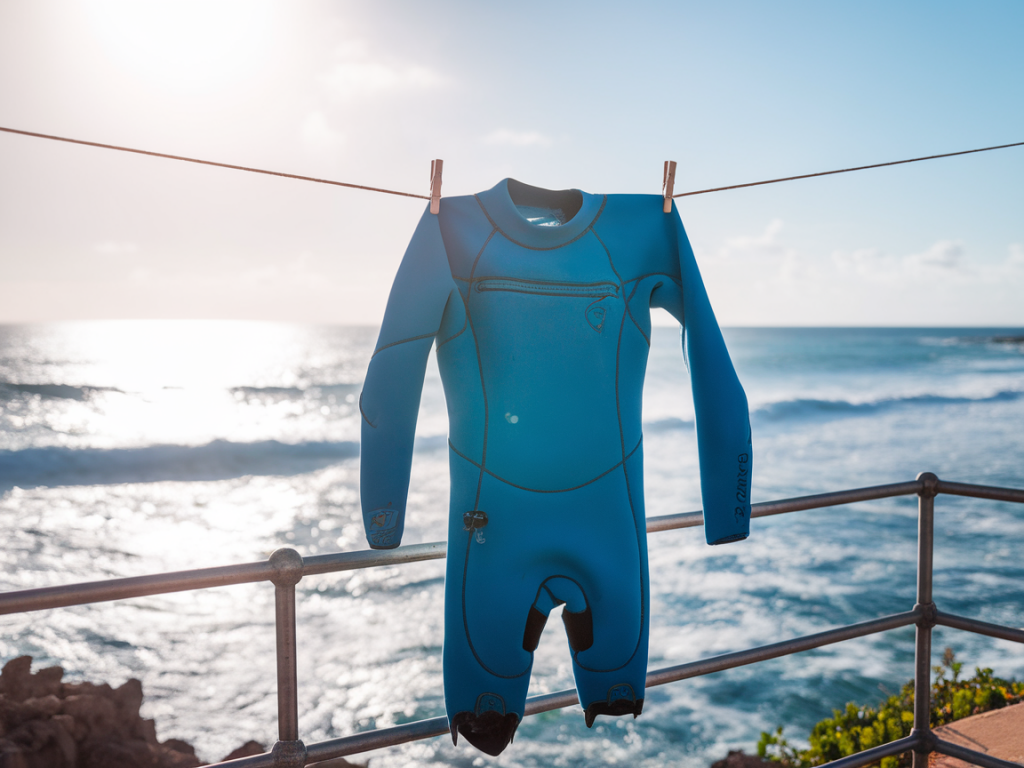
How to dry, repair and store your travel wetsuit after a salty week in lanzarote without ruining seals or zips

How to dry, repair and store your travel wetsuit after a salty week in lanzarote without ruining seals or zips

I always come back from a salty week windsurfing in Lanzarote with one priority: keep my travel wetsuit in one piece. Salt, sand and sun are the triple threat — they stiffen seals, clog zips and weaken glued seams if you don’t treat the suit carefully. Over the years I’ve learned practical, travel-friendly routines that get a wetsuit clean, dry and repair-ready without risking seals or zips. Here’s the exact process I follow after a week of sessions at Famara or El Río.

First step on the beach: a quick shake and rinse

Before anything else, I shake the suit well to get rid of sand and shells. I always do this while still at the spot so I don’t drag grit into my car or rental flat.

If there is fresh water nearby, I give the suit a fast rinse inside and out to remove the heaviest salt crystals. If not, I use bottled water from my day bag. The key is to remove as much salt as possible before it dries — dried salt is abrasive and pulls at seals and seams.

At the accommodation: the proper wash

I treat my travel wetsuit like delicate kit. Here’s my go-to washing routine that fits small flats and hostels:

  • Fill a basin or bathtub with cool to lukewarm water (never hot).
  • Add a small amount of wetsuit shampoo or a gentle baby shampoo. My favourites are McNett Revivex or a specialist wetsuit soap from brands like O’Neill — both remove salt and oils without attacking neoprene glue.
  • Turn the suit inside-out first and submerge. Gently squeeze — don’t wring. I run a second quick rinse in clean cool water to remove soap residue, again inside-out.
  • For zips and seals, I open the main zip before washing so salt and soap reach the entire track and keep seals flexible.
  • Important: never use household detergents, bleach or fabric softener. They break down neoprene and glue, and will make seals brittle.

    Zip and seal care while wet

    Zips and seals are the parts that often fail first. Here’s what I do immediately after washing:

  • Dry the zipper gently with a microfibre towel — blot rather than rub to avoid forcing sand into teeth.
  • Apply a small amount of silicone-based zipper lubricant to the teeth and slider. For travel I carry a tiny tube of McNett Zip Care or a silicone spray in a leak-proof travel bottle. If your zip is metal, use a graphite or beeswax-based wax (not spray) if available.
  • If seals (necks, wrists, ankles) are sticky from salt, I rinse them again, then pat with a towel and lightly dust inside the cuffs with talc-free baby powder to prevent sticking while drying.
  • How I dry a travel wetsuit without wrecking it

    Drying correctly is where most people make mistakes. Direct sun, heaters or tumble dryers might speed things up but they’ll ruin seals and zips.

  • I always turn the suit right-side-out and hang it from a wide-shouldered wetsuit hanger or a strong padded hanger. Narrow plastic hangers create pressure points and stretch the neoprene.
  • Hang in shade with good airflow — a balcony with cross-breeze is perfect. If I have to dry inside, I place it near an open window and use a fan, never on a radiator.
  • For the final dry I turn the suit inside-out again. Neoprene dries slower inside, so alternating sides helps. Don’t seal it in a bag while damp; mould will form.
  • If space is tight, I drape the suit over two hangers (one for shoulders and one for lower torso) to distribute weight and avoid stretching the zipper area.
  • Minor repairs you can do on the road

    For travel I carry a compact repair kit: Aquaseal tube, neoprene cement, a patch of thin neoprene or nylon-backed patch, needle and heavy polyester thread, and a spare zip pull. These simple items fix 90% of problems.

  • Tears: clean and dry the area, then glue a patch on the inside with Aquaseal or neoprene cement. Hold with clips or a heavy book until cured.
  • Small seam separations: use neoprene cement along the split and press together. For long splits, glue and stitch with a curved upholstery needle and polyester thread for extra strength.
  • Zip pulls: replace with a short length of paracord knotted through the slider. For stuck zips, work the slider gently while applying more zipper lubricant; never force it.
  • Worn seals: if the wrist/neck seal is fraying, I trim ragged edges and glue a thin neoprene patch on the inside to restore the seal. For heavily damaged seals, sail to a local professional repair — it’s worth it.
  • Products I recommend (compact comparison)

    Use Product Why I like it
    Cleaner McNett Revivex Wetsuit Shampoo Mild, removes salt and oils, available in travel sizes
    Zip Care McNett Zip Care / Silicone lube Protects slider, easy to carry
    Repair Aquaseal / Neoprene Cement Flexible, strong bond for tears and seam repairs

    How to store your wetsuit between trips

    Short-term: hang on a wide hanger in a cool, dark place. Long-term: roll the suit loosely (zippered and smooth) and store in a breathable bag or a drawer. Avoid folding sharply — repeated creases weaken neoprene.

    If you’re travelling and need to pack it: turn the suit inside-out and fold gently along natural seams. Place it inside a dry bag or compression sack with soft clothing to avoid sharp creases. Don’t compress it for months — only for transport between sessions.

    Other travel tips I use

  • Rinse after every session, even if it’s a quick bottle rinse — frequency beats a marathon scrub at home.
  • If you notice a small leak mid-trip, mark it with waterproof ink and glue a temporary patch before it gets worse.
  • Keep one spare zipper pull and a tiny sewing kit in your harness or board bag.
  • For hoods and gloves, treat them the same way: gentle wash, silicone zip care for any zips, and dry inside-out.
  • With a small kit and a little patience, you can keep a travel wetsuit functioning for seasons of windsurfing around Lanzarote. Salt isn’t kind, but a consistent routine protects seals, zips and seams so your next session doesn’t start with a frustrating repair job.

    You should also check the following news:

    how to perform a quick windsurf board and sail repair on famara: DIY fixes for dings, ripped battens and snapped outhauls with Duotone or Fanatic gear
    Windsurfing

    how to perform a quick windsurf board and sail repair on famara: DIY fixes for dings, ripped battens and snapped outhauls with Duotone or Fanatic gear

    I remember one Famara session when a gust came through and ripped a batten clean out of my sail...