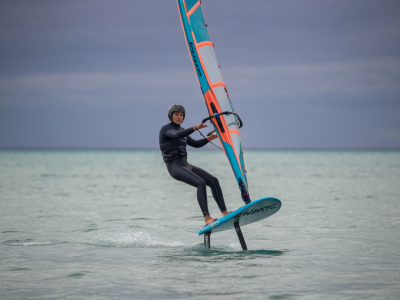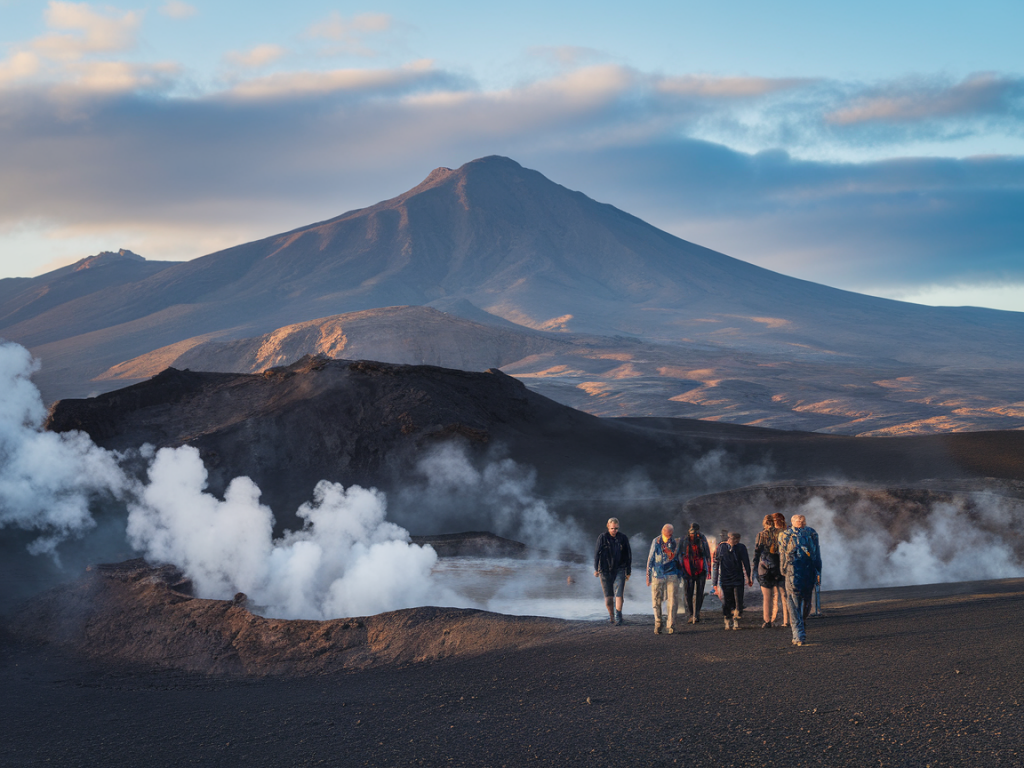
I love combining a quiet volcanic sunrise with the clear Atlantic a little later in the morning — it feels like getting two very different sides of Lanzarote in one outing. Over the years I’ve worked out a reliable plan for a sunrise hike in the Timanfaya area followed by a morning snorkel at Papagayo or a nearby bay. Below I’ll walk you through parking and transport, the best tide windows and wind checks, the trail and timing options, and a practical packing list so you can do this comfortably and safely.
Plan your timing: sunrise, hiking window and when to snorkel
My general rule is to arrive at the volcanic viewing area about 30–45 minutes before sunrise so I have time to walk to a viewpoint and settle in. That gives me enough light to take photos and enjoy the colours without rushing. After the hike I aim to be in the water between 1 and 3 hours after sunrise — this usually gives calmer sea conditions, better light for underwater photography and a favourable tide window for the sheltered bays at the south coast.
In short:
Parking and access near Timanfaya
The main visitor hub for Timanfaya National Park is the Islote de Hilario / Mancha Blanca area. There’s a car park by the visitor centre (Islote de Hilario) where you can leave your car — arrive early because spaces are limited at sunrise. The parking is generally free but the park requests a donation and the visitor centre has modest charges if you take timed buses or guided services.
Notes on access:
Public transport and alternatives
Public transport options are limited for a sunrise start. There are buses between Arrecife/Playa Blanca and the park during the day, but not at dawn. For sunrise you’ll almost always need a car or taxi. If you’re staying in Playa Blanca or Puerto del Carmen, consider coordinating with a taxi or a private transfer the evening before — drivers will often wait and pick you up later.
Another option is to join an organised early morning tour or a guided hike. This is especially useful if you want deeper access into the volcanic landscapes with a park-accredited guide. Guides can also handle logistics so you don’t worry about parking or permits.
Choosing where to snorkel after the hike
From the Timanfaya/Mancha Blanca area the most convenient and rewarding snorkel spots are:
I often choose Papagayo after a sunrise hike: the route is scenic, the bays are sheltered from the dominant northern winds and the water warms quickly in the morning sun.
Tide and wind: how to pick the best window
Two tools I check every time: the tide table from Puertos del Estado (for tide heights) and a wind forecast (Windy or Windfinder). Here’s how I interpret them:
| Tide phase | Why it matters |
| Low tide | Exposes rocks and can reduce depth over reefs — visibility can be poor and you risk damaging reef and fins on rocks. |
| Rising tide to high | Usually best for snorkeling: more water over the reefs, better fish activity and often clearer water. |
| High-to-falling tide | Okay, but currents can sometimes increase as water drains from shallow bays. |
My practical window: aim to snorkel from about 1.5 hours before high tide to about 2 hours after high tide when the bay is sheltered. If wind is forecasted from the north or northeast stronger than 15–20 knots, consider another bay or postpone — northerly winds kick up swell along the southern coast.
Trail choices and a simple sunrise route I use
I tend to keep the early-morning walk short and photo-friendly rather than attempting long routes in the dark. This is a sample itinerary I use:
If you want a longer hike, check GR-131 Ruta de los Volcanes sections that cross the island. Parts of that route traverse volcanic zones and are spectacular — but always check park closures and carry a map, compass or GPS because routes can be exposed with few landmarks.
What I pack (and why)
Packing for a combined volcano hike + snorkel requires balancing warm layers for the early hours with water-ready kit. Here’s my checklist:
Safety and conservation reminders
Timanfaya is a protected area — stick to authorised paths, don’t remove rocks or disturbance to the fragile volcanic soil. For snorkeling, avoid touching or standing on reefs and take all litter home. Check the park website before you go for any closures or permit requirements. If you’re not a confident snorkeler, consider joining a local snorkel operator from Playa Blanca — they know the best sheltered coves and handle equipment and safety briefings.
If you want, I can prepare a sample timeline for a specific date (I’ll check sunrise time, tides and a recommended snorkel bay) — tell me where you’re staying and the date and I’ll draft a tailored plan.