Gear Reviews

How to pick the perfect travel regulator for weekend dives from lanzarote: octopus setup, first stage choices and servicing tips

How to pick the perfect travel regulator for weekend dives from lanzarote: octopus setup, first stage choices and servicing tips

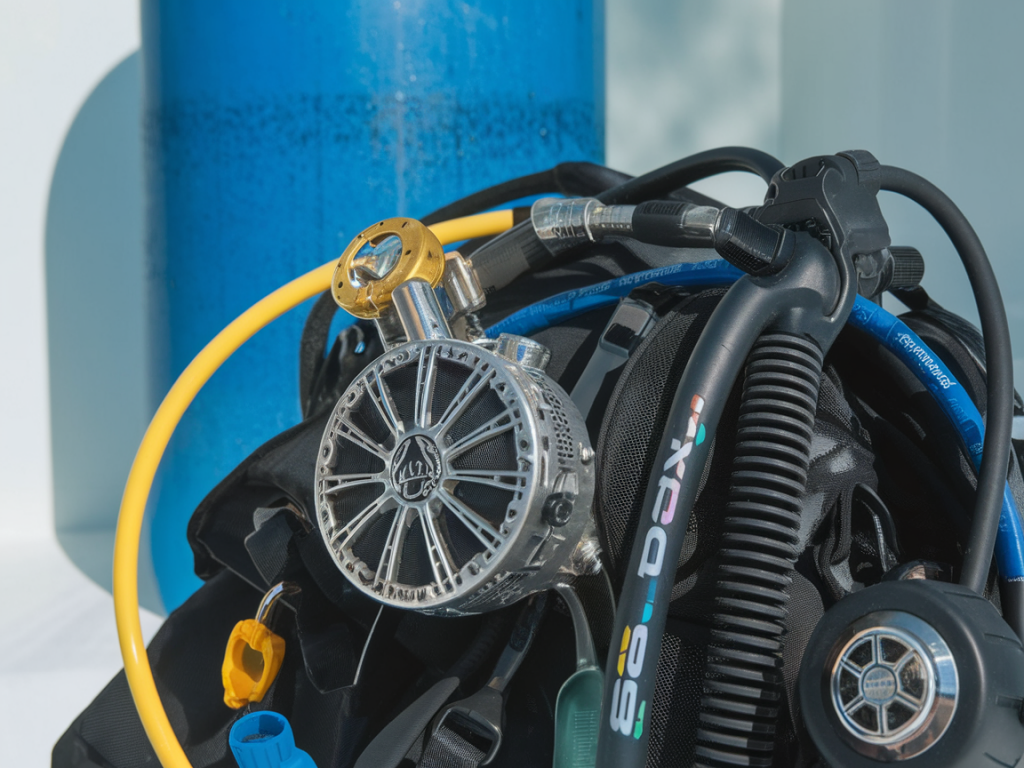
When I pack for a weekend of diving off Lanzarote, my regulator is one of the pieces of kit I treat like a trusted friend — light enough to travel, reliable in Atlantic chop and cold-water thermoclines, and fuss-free to service between trips. Over a decade of instructing, guiding and testing gear across the Canaries has taught me that the “perfect” travel regulator is as much about choices and maintenance as it is about brand. Below I walk you through what I look for when choosing a travel regulator for short trips from Lanzarote, how I set up my octopus, what I consider when choosing a first stage, and the simple servicing habits that keep my kit performing.

What I want from a travel regulator

For weekend dives I prioritise a few practical things:

  • Lightweight and compact without compromising performance.
  • Reliable breathing at the depths and water temps I typically see — surface thermoclines and occasional deeper dives to 30–35m.
  • Low maintenance and easy servicing access so I can pop between local dive shops.
  • Comfortable mouthpiece and hose routing suitable for both shore and boat entries.
  • Many divers chase the latest tech, but for Lanzarote weekenders I focus on durability and serviceability. A mid-range first stage from reputable brands (Aqua Lung, Scubapro, Mares, Atomic, or Poseidon) paired with a simple, well-built second stage is often the sweet spot.

    Choosing the first stage: balanced vs. unbalanced, piston vs. diaphragm

    The first stage is the heart of your regulator. Here’s how I choose depending on conditions and travel style:

  • Piston first stages (often simpler mechanical design): I prefer these if I’m diving in warm water and want robust, easy-to-service gear. They’re generally compact and have fast airflow — handy if you like higher breathing rates.
  • Diaphragm first stages: Better sealed against contamination and good for colder, murkier conditions. If you plan to take your regulator on deeper or offshore dives where silt or sand can be an issue, diaphragm-first stages shine.
  • Balanced vs unbalanced: Balanced first stages provide consistent performance as tank pressure drops, which I appreciate on multi-dive days when my cylinder pressure varies. Unbalanced stages can be lighter and simpler but may give a slightly stiffer breath at low tank pressures.
  • For Lanzarote weekend diving — where surface conditions, occasional swell and dive centre fills vary — I lean towards a balanced piston first stage. Brands like Scubapro MK25, Aqua Lung Legend (balanced piston) or the Mares 1st stages offer a solid mix of airflow and serviceability. If I expect very cold or silty water, I’ll choose a diaphragm option.

    Second stage selection: primary and octopus considerations

    Second stages are where comfort and performance meet. When picking a primary I look for:

  • Comfortable mouthpiece shape (minimal jaw fatigue).
  • Adjustable inhalation effort — handy if you want to fine-tune breathing resistance.
  • Purge button placement and size that works with gloved hands.
  • For a travel regulator I often choose a lightweight second stage with a swivelling hose connection so it hangs comfortably from my BCD without twisting. Many of the newer models are surprisingly compact and travel-friendly.

    Octopus (alternate air source) setup: best practices

    The octopus is not just a mandatory piece of kit — it’s a safety tool I want to be absolutely confident in. Here’s how I set mine up for weekend diving:

  • Colour and visibility: I use a bright yellow octopus hose (or an aftermarket yellow cover) so it’s instantly visible in poor light or surge. Many manufacturers offer high-visibility second stages — use one.
  • Placement: Keep the octopus on the right side for quick access and to avoid tangled hoses. Clip it to a low, easily reached D-ring or a dedicated octo pocket on my BCD so it’s accessible if I need to hand it to a buddy in the water.
  • Hose length: A 70–80cm octo hose is my default. It’s long enough to pass to a buddy without entanglement but short enough to keep tidy. For larger buddies or surface emergencies I carry a slightly longer 90cm hose when needed.
  • Regular checks: Before every dive I mouth-check the octopus to ensure a smooth breath and purge function. Teach students and new buddies to recognise it quickly by sight and feel.
  • Hoses and routing for travel

    Rubber vs braided hoses: rubber hoses are flexible and easier to coil into a travel bag, while braided or thermoplastic hoses are ultra-durable and kink-resistant. For weekend travel I go with a balance: a quality braided primary hose for durability and a flexible octo hose for convenience.

    Keep hose routing tidy. Shorter primary hoses reduce drag and snag risk during shore entries — something I value hugely on rocky Lanzarote beaches like Playa Blanca or Los Caletones. Use hose retainers, elastic keepers or small velcro straps when packing to avoid tangling in your bag.

    Servicing tips that actually keep you diving

    Good maintenance keeps your regulator trustworthy and can save you money in the long run. Here’s what I do between (and during) weekend trips:

  • Rinse thoroughly after every dive: Freshwater rinse, purge through each second stage, and soak briefly if exposed to heavy spray. Never press the purge button while rinsing under pressurised water — let water flow, then purge gently to clear small amounts.
  • Annual service: I follow manufacturer intervals but rarely go longer than a year or 100 dives without a full service. Servicing includes replacement of critical O-rings, diaphragms, and springs — items that degrade quietly.
  • Visual checks: Inspect hoses for cracking, especially where the hose meets fittings. Small hairline cracks are a good reason to replace a hose.
  • Local dive shops: I work with trusted shops on Lanzarote and the Canaries for quick turnarounds. If a regulator needs urgent attention, ask for a loaner and don’t dive suspect gear.
  • Keep spares: Travel with spare mouthpieces and a small kit of O-rings compatible with your first stage. They’re lightweight, cheap, and can get you out of an awkward situation.
  • Choosing a travel regulator by scenario

    ScenarioRecommended first stageSecond stage/octopus
    Short weekend shore dives, warm waterBalanced piston (mid-range)Compact primary + bright yellow octo (70–80cm)
    Offshore dives, deeper profilesBalanced diaphragm (robust against contamination)High-flow primary + durable long octo option
    Frequent air travelLightweight, serviceable piston stageCompact, easily packed second stages; spare mouthpiece

    I often test regulators side-by-side, and over the years I’ve learned that a modestly priced, well-maintained set will outperform a neglected “top-tier” one. If you’re buying for weekend trips from Lanzarote, prioritise balanced performance, bright octo visibility, and a reliable local service option.

    If you’d like, tell me your budget and diving typical schedule and I’ll recommend specific models I’ve logged hours with around the island — I’ve carried, tested and serviced most of the popular sets and can point you to options that suit your travel style and the Atlantic conditions here.

    You should also check the following news:

    Step-by-step plan to complete a guided shore dive at playa chica with ear equalisation strategy, entry timing and emergency signals
    Diving

    Step-by-step plan to complete a guided shore dive at playa chica with ear equalisation strategy, entry timing and emergency signals

    Playa Chica is one of those spots that never gets old for me — sheltered bay, excellent...

    Where to hire a nitrox-ready tank near puerto del carmen, what paperwork to check and typical extra costs
    Diving

    Where to hire a nitrox-ready tank near puerto del carmen, what paperwork to check and typical extra costs

    When I’m planning dives from Puerto del Carmen and need nitrox I try to keep things simple: find...