If you’re heading to the Papagayo area and want calm, beginner-friendly snorkel spots that stay sheltered when the wind picks up and remain safe around low tide, you’re in the right place. I spend a lot of time exploring these coves and I’ve learned which pockets of water are consistently calm, where to enter and exit safely, and what to pack so a first snorkel becomes a relaxed, memorable outing.
Why Papagayo is great for beginners — and what to watch for
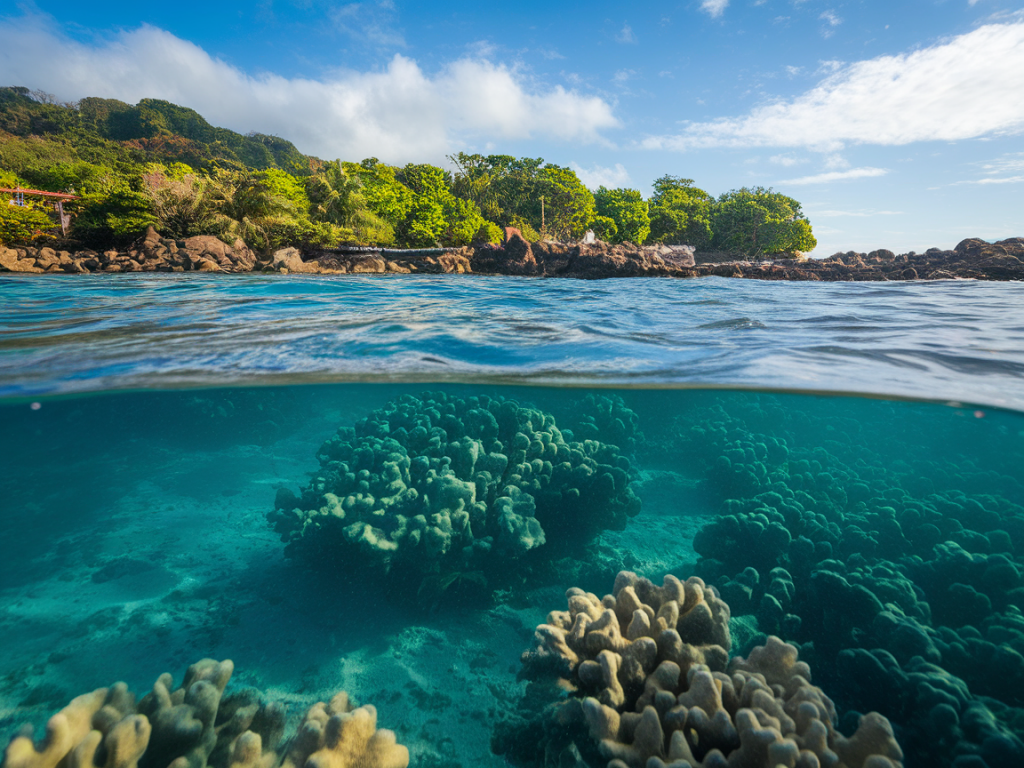
Papagayo is famous for crystal-clear water and protected coves carved into volcanic cliffs. Many bays are naturally wind-sheltered thanks to the surrounding topography, which makes them perfect for nervous first-timers or families with kids. That said, the Canary Islands can throw a few curveballs: swell, surge, and tidal changes can make a calm-looking cove tricky if you don’t plan around them. Low tide usually exposes more rocks and makes getting in and out a little rockier, so I focus on coves that keep a gentle depth profile even at low water.
My go-to coves near Papagayo that stay calm at low tide
Below are coves I return to regularly. I include the practical bits — why they’re sheltered, how the seabed behaves at low tide, access and parking tips, and who they suit.
- Playa del Pozo
Why I like it: Sheltered by cliffs and a small headland, Pozo traps water and blocks onshore wind. The bay has a sandy bottom with scattered rocks, so visibility is usually excellent.
Low-tide behaviour: Exposes some rocks near the shore but keeps waist- to chest-deep water a short swim out — perfect for beginners practicing buoyancy and breathing techniques. Best entries are near the sandy patch to the right.
Access & parking: Short walk from the car park. Bring water and a sun shelter; there’s little shade.
- Caleta Blanca (small eastern pocket)
Why I like it: This smaller pocket sits inside a larger bay and is doubly sheltered. Winds from the north or northeast tend to bend around the headland, leaving a calm interior.
Low-tide behaviour: Gentle slope and a mostly sandy seabed — easy to stand up and regroup if someone needs a break. Entry from the pebbly shore is straightforward; bring reef shoes for comfort.
Access & parking: Short but rocky path from the main trail. Not ideal for heavy gear unless you use a small trolley or pack light.
- Playa Mujeres (southern corner)
Why I like it: The southern corner of this beach forms a snug little bay protected from prevailing north-easterlies. The rock formations act as a natural breakwater.
Low-tide behaviour: The sandbar can emerge a little at the lowest tides, but there is always a channel with enough depth to snorkel close to shore. Great for spotting small fish and calm snorkeling practice.
Access & parking: The beach is popular, so arrive early during high season. Facilities nearby make it an easy family day out.
- La Cintilla (small inlet)
Why I like it: This narrow inlet feels like a tiny lagoon. The enclosing rock walls keep the water glassy when other coves show chop.
Low-tide behaviour: Slightly rockier underfoot at low water, but still plenty deep enough a short swim out. Because it’s narrower, the fish are curious and often come close.
Access & parking: Track access with a short scramble. Not the best choice for mobility-impaired visitors but perfect for adventurous beginners.
Quick reference table — features at a glance
| Cove | Sheltered from | Seabed at low tide | Best for |
|---|---|---|---|
| Playa del Pozo | North/NE winds | Sandy with some rocks | Beginners, families |
| Caleta Blanca (east pocket) | North winds | Sandy/pebbles | Skill practice, easy entries |
| Playa Mujeres (S corner) | NE winds | Sandy bar + channel | Beginner snorkel routes |
| La Cintilla | All but strong southerlies | Rocky near shore | Curious fish, sheltered swims |
How I plan a beginner-friendly snorkel session around low tide
I always check three things: wind direction and strength, local swell and the tide timetable. For wind and swell I use Windy for an overview and Magicseaweed for local surf and swell conditions. For tides I check the port authority tables or a reliable tide app — note that the small coves around Papagayo can show significant differences in exposed rock between low and mid tide.
My general rule: if the forecast shows onshore winds above 10–12 knots or swell over 0.5–0.8 m, pick a more enclosed cove or postpone. If low tide exposes more than a metre of rock leading out to the snorkeling zone, I move to a cove with a gentler slope or go at higher tide.
Entry and exit tips — keeping it calm and safe
- Use a buddy system: Always snorkel with at least one person. I like to pair a less experienced snorkeler with a confident swimmer who can stay close.
- Choose a clear entry path: Look for the sandy patches or worn tracks in the rocks — these are usually the easiest entry points. Avoid climbing over sharp lava rock in fins.
- Wear reef shoes for low tide: Even sandy coves can have jagged rocks exposed at the lowest tides. Lightweight neoprene socks or reef shoes make exits comfortable.
- Use a float or buoy for visibility: A bright swim buoy (I often carry a Seaqual or similar dry bag buoy) keeps your group visible to boats and gives nervous snorkelers something to hold.
- Practice gentle entries: If someone is nervous, kneel or sit on the sand to get used to the mask and snorkel before pushing off.
Gear I recommend for beginners
Simple, well-fitting gear makes the day. I often advise:
- Mask with a soft silicone skirt (Cressi or Mares makes good beginner-friendly masks).
- Adjustable snorkel with splash guard — it reduces water in the tube when waves appear.
- Shorty wetsuit (3mm) in early spring or late autumn for warmth; summer often needs just a rash vest.
- Reef shoes or neoprene socks — essential for rocky entries and exits.
- Bright swim buoy for visibility and rest.
Wildlife and etiquette
One of the best things about these coves is the approachable marine life — small fish, comb jellies and the occasional octopus. I always remind beginners to keep a respectful distance, avoid touching or handling animals and never stand on the seabed (it damages fragile life). If you want to take photos, set behavioural expectations: move slowly, breathe calmly and let the animals come to you.
If you have a specific group (kids, older adults, complete beginners), tell me and I can suggest the best cove and time of day. Early mornings are often the calmest and least crowded — perfect for relaxed snorkeling and better light for underwater photography.