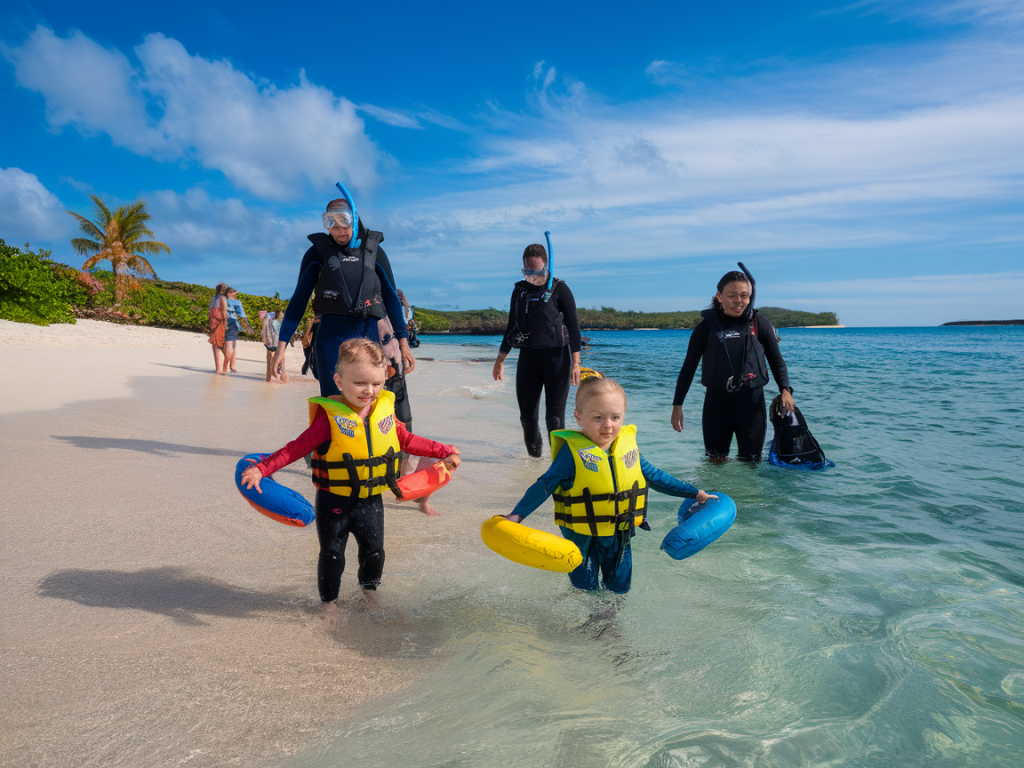
Taking toddlers and nervous non-swimmers snorkeling from Playa Blanca is one of my favourite low-key family days on Lanzarote — when it's planned right it feels calm, safe and endlessly rewarding. Over the years I’ve guided families and tested a lot of gear, and here I share what I actually use and recommend so you can relax and enjoy the clear water, colourful fish and lava-sculpted coves around Papagayo without stress.
Choose the right spot and time
Not every beach near Playa Blanca is suitable for little ones. I look for shallow, sheltered coves with sandy bottoms and easy entry — the Papagayo coves (especially Playa Mujeres and Playa de Papagayo) are classic for families because of their protection from swell on most days. Playa Dorada and Playa Blanca’s central beach can work when wind direction is right, but they can be busier.
Time of day matters. I aim for the morning window (08:30–11:00). The sea is usually calmer, visibility is better and it’s before the heat and crowded afternoons. Also plan around nap and meal times — a well-rested toddler is a happier snorkel buddy.
Check conditions: what to look for
Before you leave your accommodation I check three things:
Websites like Windy, the AEMET forecast and local dive centre updates help. If in doubt, ask a local lifeguard or dive shop — they know which coves are protected that day.
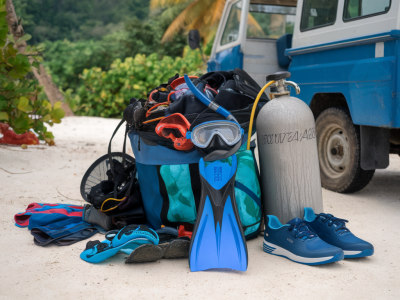
Essential gear — what to bring for toddlers and non-swimmers
Pack with safety and comfort as your top priorities. I travel light but deliberately.
Packing checklist (quick table)
| Item | Why |
| Child life jacket / snorkel vest | Safety & confidence |
| Masks & snorkels (spare) | Fit & backups |
| Neoprene shoes | Protection on entry/exit |
| Rash vests & hats | Sun protection |
| Reef-safe sunscreen | Protect skin and marine life |
| Swim diaper | Hygiene |
| Small float/board | Reassurance |
| Snacks & water | Energy and hydration |
| Whistle & small first aid kit | Emergency basics |
How to introduce toddlers and nervous non-swimmers
I always start on dry land. Put on the mask and let them wear the snorkel on land so they get used to breathing through the tube. Demonstrate blowing bubbles in a bowl or shallow water — little kids love it once they realise it makes funny noises.
Enter the water slowly. Kneel together in knee-deep water, let them sit on your lap in the shallowest bit and practice putting their face in to blow bubbles. Keep sentences simple and positive: “Look — fish!” rather than “Don’t be scared.”
Use the PFD handles for short carries and dips. For non-swimmers I hold the vest behind them and let them float horizontal while I guide them gently forward. Keep sessions short — 15–30 minutes of active water time is more than enough for young kids; finish while they’re still smiling.
Activities to keep kids engaged
Safety rules I always follow
These are non-negotiable:
Practical logistics
Parking near Papagayo can be busy in high season — arrive early to secure a shaded spot. Facilities are limited at the more natural coves, so bring water, shade (a pop-up tent or umbrella) and a blanket. For families who prefer minimal logistics, several local dive centres and hire shops in Playa Blanca rent children’s life jackets, masks and small fins; booking equipment in advance can save time.
If you want a guided, family-focused option I often recommend local operators who run short snorkel trips from Playa Blanca — they provide small-group support, flotation aids and a guide to point out marine life while you keep supervising your child. It’s a great confidence-builder for first-time snorkellers.
Photographing memories
A small waterproof camera or an action camera on a wrist strap captures the smiles and the fish without being intrusive. I keep shots short to avoid distracting from the experience; sometimes a single well-timed photo is better than trying to film the whole hour.
Above all, plan for flexibility. Toddlers set the rhythm — if one short snorkel and a sandy picnic are what the day becomes, that’s a brilliant family memory. The Atlantic around Playa Blanca rewards patience: with soft planning and the right safety kit, a first snorkel can be joyful, safe and the start of a lifelong love of the sea.