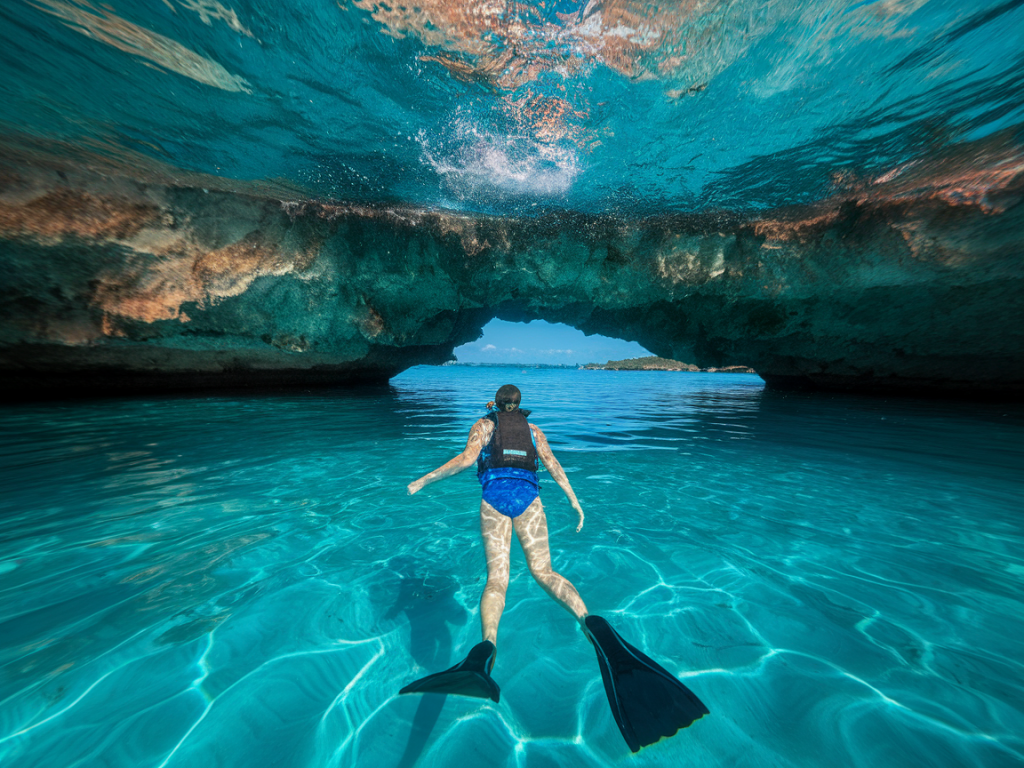
I still remember the first time I slipped into the water near Playa Blanca and followed a line of volcanic arches toward a small cave entrance that disappeared into crystal-clear blue. The visibility that day was surreal — I could see into the cave’s shadowy interior from the surface — and it changed how I plan every snorkel in this area. If you're after clear underwater caves near Playa Blanca, this stretch of coastline on Lanzarote offers some of the best options, but good conditions and a careful plan are essential.
Where the clearest caves are and why
Most of the clearest cave systems near Playa Blanca are found along the southern and southwestern coastlines, west of the main town toward Playa Quemada and down to Las Coloradas. These spots benefit from the island’s volcanic geology: lava tubes and fractured basalt create tunnels and chambers that trap calm water with less suspended sediment. When wind and swell are low, the seawater in these caves can be exceptionally transparent.
My top picks for clear cave snorkels near Playa Blanca:
When to go: timing, tides and weather
Visibility is primarily driven by two things: swell and wind. I plan cave snorkels on days with forecasted low swell (under 1m) and light offshore or no wind. The local wind patterns mean mornings are often calmer; if the Meteo Lanzarote forecast shows light northerlies or land breezes, it’s a good sign for southern caves.
Tides also affect how easy a cave is to access. I prefer snorkeling caves on a mid to high tide when the entrance sits higher in the water column and currents through narrow tubes are gentler. Avoid strong spring tide runs — you’ll notice slack water windows in the tidal charts, and I pick the half hour either side of slack for entry.
How I plan a safe route
Planning is non-negotiable. Here’s my step-by-step approach before I even pack fins:
Entry options: shore vs boat
Most of the caves I visit near Playa Blanca can be reached from shore with a short swim, though some are easier and safer with a kayak or a small RIB dropped off outside the headland. Shore entries are free and give you flexibility, but you must be confident with navigation in rocky terrain. If you’re not comfortable with surf entries or want to cover more ground, ask a local dive centre for a guided kayak- or boat-based snorkel — they know the micro-locations and slack-water windows.
What I take: gear checklist
I pack deliberately — you don’t want to be fiddling at the cave mouth. My usual kit:
Route examples with practical notes
| Spot | Access | Difficulty | Best conditions |
|---|---|---|---|
| La Santa coves (Los Ajaches) | Short shore walk, pebbled ramps | Easy-moderate | Low swell, light onshore breeze |
| Las Coloradas caves | Beach access or kayak | Moderate | Calm sea, mid-high tide |
| Playa Quemada points | Rocky shore entry | Moderate-hard (sharp rocks) | Very calm sea, slack tide |
When I snorkel the Las Coloradas caves, I usually walk a short track to a small pebble bay. The cave entrance is visible from the surface on calm days — you can see a deep, dark slit surrounded by turquoise. I swim slowly, staying aware of surge through the opening. Inside, bring a torch and keep close to the ceiling where the light filters in; fish often hang in the shadows.
Wildlife and what to look for
Caves are microhabitats. I regularly spot moray eels tucked into crevices, small groupers, damselfish and schools of silvery bream. Look up toward the cave mouths for rays and kebab-like clouds of anchovies, especially in the warmer months. Respect the animals — don’t chase or poke into holes, and avoid touching the substrate or walls. My marine biology background means I always model low-impact behaviour; coral and sponges are fragile and slow-growing here.
Common hazards and how I avoid them
Local support and guided options
If this all feels a bit much, get a local guide. I regularly work with several dive centres in Playa Blanca who offer guided snorkels and kayak trips to the best caves — they’ll pick the right spot for the conditions and share local knowledge I’ve built up over years. Guided trips are particularly helpful for photographers or families because guides take care of logistics and safety.
If you’d like specific route maps, tide windows or tailored suggestions based on a date, drop me a message via the contact page on Scubalanzarote Co. I often map routes, add estimated durations and difficulty ratings so you can visualise a spot before you go. See you in the water — take it slow and enjoy the light show inside those volcanic rooms.
