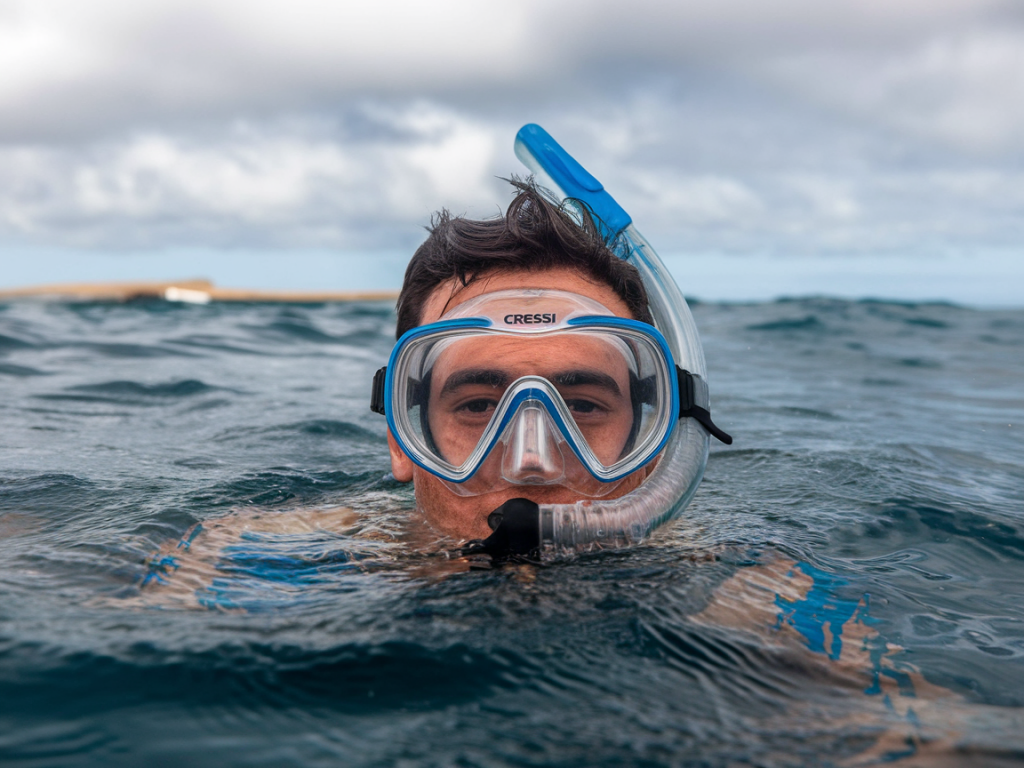
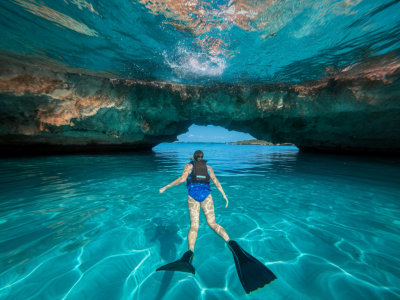
I dive and snorkel around Lanzarote almost every week, so I know how quickly a calm swim can turn choppy when the Atlantic wind picks up. Choosing the right snorkel mask for these conditions makes a huge difference — not just for comfort, but for safety and how much you actually see underwater. In this piece I compare the features that matter here on the island and review two brands I trust and use regularly: Cressi and Mares. I’ll share practical tips on fit, field-of-view, anti-leak and anti-fog performance, and which models I reach for when the swell is up or the water is cooler.
Why Lanzarote’s conditions matter for mask choice
Lanzarote has clear water, but it also has frequent wind, choppy surface conditions and sudden shifts in current — especially around headlands like Punta del Papagayo and La Santa. That means:
Surface breathing can be bumpy, so a good seal and low splash intrusion are essential.You often pop your head in and out of water to check conditions, so a mask that clears easily and remains comfortable when wet/dry is useful.Visibility is usually excellent, so opt for wide field of view rather than compact single-lens novelty masks.Temperature changes between seasons mean you may need a mask that works well with a thin neoprene hood or without any headgear at all.Key features to prioritise for choppy Atlantic snorkelling
When I pick a mask for a choppy day, these are the features I check first:
Skirt material and fit: Silicone skirts are the standard — look for soft, double-feathered edges that mould to the face. Some people prefer hypoallergenic silicone; personally I avoid cheap PVC skirts which harden and leak after a few months in sun and salt.Low internal volume: A lower-volume mask sits closer to the face, is easier to clear and reduces drag when swimming on the surface or diving slightly below to inspect a rock or reef.Secure, easy-adjust strap: A strap that stays put under quick head turns and has quick-release tabs makes life easier on the surface.Tempered glass lenses: Safety standard — they resist scratches and won’t shatter.Wide field of view (FOV): For checking surface conditions quickly and enjoying the landscape while snorkelling, peripheral vision matters.Easy clearing & purge valve: If you expect to take waves over the mask, an efficient purge and skirt design that channels out water is helpful.Quick overview: Cressi vs Mares
Both Cressi and Mares are long-standing European brands with models suited for island conditions. Here’s how they compare in broad strokes based on my testing around Lanzarote:
| Feature | Cressi | Mares |
| Fit options | Often slightly narrower; great for smaller faces and low-volume designs | Tend to offer broader skirts and comfortable fit for wider faces |
| Field of view | Good to excellent on many models | Very good — some models prioritise peripheral vision |
| Price range | Competitive; strong value in entry and mid-range | Similar; some premium models cost more but offer extras (quick adjust, advanced skirt) |
| Durability in sun/salt | Very good when rinsed and stored properly | Comparable; silicon quality slightly varied by model |
My top Cressi picks for Lanzarote
I use Cressi masks frequently — they often feel lighter and sit closer to the face which I like when waves are pushing my head around.
Cressi Big Eyes Evolution — This is one of my everyday snorkel masks. It gives an excellent vertical field of view which I appreciate when looking down into coves from the surface. The skirt sits well even with short hair and the low volume makes clearing easy. I’ve used it with a thin hood in winter and had no issues.Cressi F1 — Very low volume and great for swimmers who want to take quick free-dives from the surface. It seals well, and the easy-adjust buckle system is simple to operate when your hands are cold or salty.My top Mares picks for Lanzarote
Mares tends to make masks that are slightly roomier, which some snorkellers find more comfortable, especially during longer surface swims.
Mares Viper — Broad field of view and a soft skirt that hugs the cheekbones well. I like this mask for windy days when I’m scanning the horizon frequently.Mares X-Vision — A favourite of mine for longer snorkelling loops and when I want the maximum viewing angle. It’s slightly higher volume but compensates with comfort and a reliable buckle/strap system that stays put with head movement.Anti-fog, maintenance and real-world tips
Anti-fog performance is partly down to the mask and partly down to how you treat it:
Never trust the factory coating; I always pre-treat new masks. I use a simple method: a dab of baby shampoo spread thinly across the inner lens, rinse lightly (not fully removing the film), then let air dry. Repeat in water only if fog appears.Rinse after every session in fresh water, and store out of direct sun. Salt, sand and UV degrade silicone faster than the sea itself.Bring a microfibre cloth to remove any sand from the strap and buckles before stashing the mask in your bag.For choppy conditions, keep the mask strap slightly looser than you’d expect — a strap that’s too tight can push the skirt away from the cheekbones when you turn your head quickly.Which mask to choose depending on your snorkel style
Read this short guide to match mask to how you use it:
Surface snorkeller who moves a lot: Prioritise low volume, close fit and a strap that won’t slip — Cressi F1 or Big Eyes Evolution are top picks.Long-distance coastal snorkeller: Comfort and peripheral vision matter more — consider Mares X-Vision or Viper.Beginners or families: Go for forgiving skirts and a simple buckle system; mid-range Cressi or Mares models offer good value and durability.Freedivers who also snorkel: Low-volume masks with a secure seal (Cressi F1) are great because they reduce equalisation load.Budget vs premium — where to spend
On Lanzarote I recommend investing in the skirt quality and tempered glass rather than gimmicks. A decent mid-range mask from Cressi or Mares will out-perform a cheap mask on the beach after a season. Reserve your budget for a model with a better-fitting silicone skirt and proven strap mechanism.
Short checklist before you buy
Try the mask on with your hair pulled back — inhale slightly through the nose to test the seal.Check the buckle action with cold fingers if possible (it should be smooth and easy to adjust).Look for tempered glass and read the replacement lens options if you need prescription inserts.Consider buying a second mask for different conditions (one low-volume for diving/freediving, one wider-vision for choppy coastal swims).If you want, tell me your face shape (narrow, average, wide), whether you snorkel with a hood and how you usually use the mask (short shore swims or long coastal loops), and I’ll recommend a specific model and size based on what I’d pack for a day on Lanzarote’s coast. I can also point you to exact models and where I’ve found the best local deals.