Diving

Beginner’s checklist for a safe scuba day trip from Puerto del Carmen (gear, gas and surface protocol)

Beginner’s checklist for a safe scuba day trip from Puerto del Carmen (gear, gas and surface protocol)

I run regular day trips from Puerto del Carmen and over the years I’ve developed a compact checklist I give to new divers before they join my boat. These are the essentials that keep a day safe, relaxed and enjoyable — gear that actually matters in Lanzarote conditions, simple gas and dive planning rules that fit local profiles, and the surface protocols I insist everyone follows. Below I share that checklist, plus practical tips I use on every trip.

Before you leave home: paperwork & preparation

One tiny admin detail can ruin a day, so I always ask divers to check these items the night before:

  • Valid dive certification card and ID (or digital proof and passport photo)
  • Recent medical declaration / dive medical if required — don’t assume
  • Insurance details (DNV, DAN or your insurer) and emergency contact phone numbers
  • Surface interval / flying rules if you’ve dived in the previous 24–48 hours
  • If you’re travelling light, take photos of documents and store them offline on your phone. I’ve rescued a few nervous divers who’d forgotten their certification — digital proof saved the day.

    Essential personal gear to bring

    Puerto del Carmen boat trips are short, but the Atlantic can throw wind and chill. I always carry my own small kit and recommend everyone brings:

  • Mask and snorkel — a comfortable mask (tempered glass, good seal) is worth packing. I prefer low-volume masks for quick clearing.
  • Fins — open-heel with boots if you plan shore entries later; full-foot for boat-only divers. Bring what you’re competent with.
  • Exposure protection — 3/2mm wetsuit is usually enough for Lanzarote year-round; in winter consider 5mm or a shorty + hood.
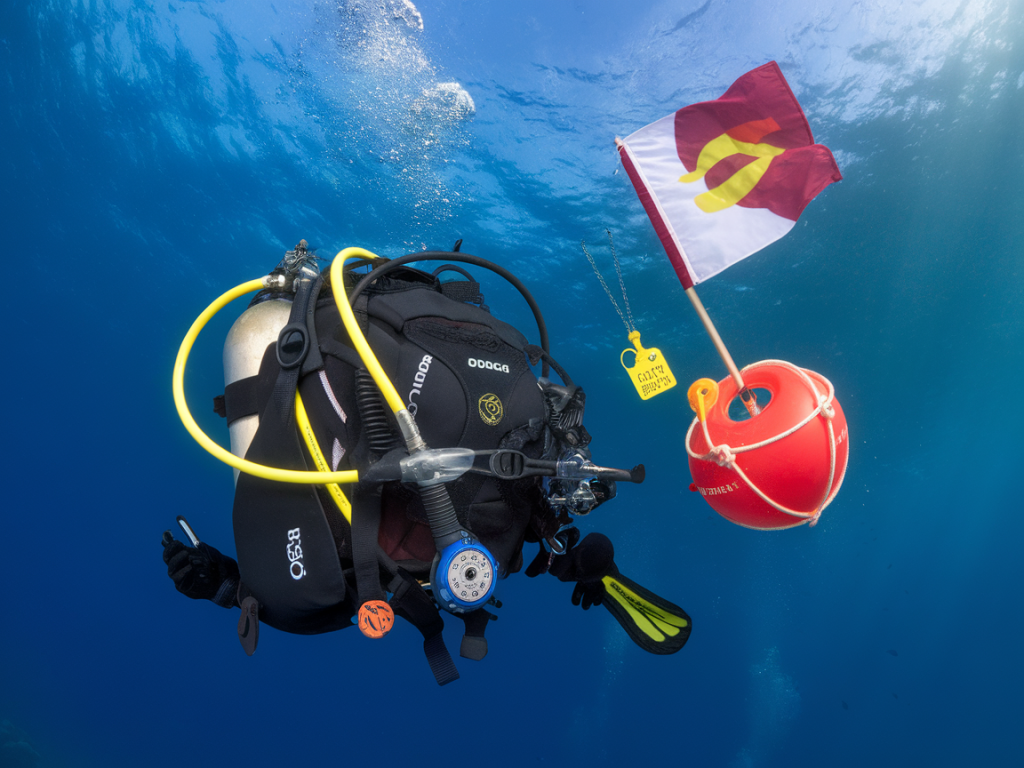
  • Surface marker buoy (SMB) and reel/spool — compulsory on many local trips; I carry a 1m orange float and 30m line.
  • Boots and gloves — thin gloves for protection, boots for rocky entries.
  • Dive computer with fresh batteries and backup timing device (watch) — know how to read your console.
  • Small waterproof bag with sun cream, lip balm, water and seasickness pills if you’re prone.
  • If you don’t own everything, most local centres provide kit. Still, masks and dive computers are personal items I encourage divers to bring to ensure fit and familiarity.

    Boat kit and group gear I expect from the operator

    As an instructor I check the boat’s equipment checklist before leaving the marina — you should too. Typical items:

  • Well-maintained cylinders with visible hydro test dates
  • Regulators with recent servicing stickers
  • At least one SMB and surface communication device (VHF or phone)
  • First aid kit, oxygen unit and AED on board
  • Spare masks, fins and weight belts
  • If any of these are missing, ask the skipper. It’s okay to postpone the dive until safety is verified.

    Gas and dive planning — practical rules for day trips

    I keep gas planning simple and conservative for short Atlantic dives around Lanzarote:

  • Start pressure: I aim to begin dives with at least 200–220 bar. For deeper or current-affected sites I prefer 220+ bar.
  • Turn pressure: Minimum 50 bar for shallow no-decompression dives, 70 bar or more if the site is remote or has a long boat pickup.
  • Breathing air or nitrox: Many centres fill nitrox; if you’re using it, confirm the oxygen fraction and set your computer accordingly.
  • Buddy checks: I run BWRAF (Buoyancy, Weights, Releases, Air, Final check) every time on the boat — no exceptions.
  • For groups I coordinate a simple dive plan: max depth, estimated bottom time, exit point, signal for ascent and the buddy pairing. I write the plan visibly on a whiteboard or slip of paper so everyone is clear.

    Descent, bottom time and ascent: long-lived rules

    A few practical habits keep things safe during the dive:

  • Descend slowly and equalise early — Lanzarote volcanic walls can cause fast depth changes and ear trouble.
  • Monitor air frequently — I glance at my gauge every 5 minutes and call out reserve status to my buddy.
  • Watch ascent rate — never faster than 9–10 m/min. Use your computer’s ascent alarm or a timing device if needed.
  • Safety stop — mandatory 3 minutes at 5m for most dives; I extend to 4–5 minutes for deeper or exerting dives.
  • Surface protocols and boat retrieval

    The surface is where problems can escalate, so clear, practiced routines help:

  • Deploy your SMB on ascent if the skipper has asked — avoid inflating inside waves; inflate at 6–3 metres depth.
  • Signal the boat once surfaced with a wave and, if needed, with whistle/torch during low visibility or wind.
  • Float with your mask on and regulator in mouth until the crew helps — removing gear too early risks losing it in swell.
  • If you’re separated from your buddy, surface and stay put, deploy SMB and use signalling devices — the boat will circle back.
  • On our trips the crew notes each diver’s exit order and ticks names when they board. I recommend you confirm this procedure before jumping in.

    Local hazards and site-specific tips for Puerto del Carmen

    Puerto del Carmen offers easy wrecks and reefs but watch for:

  • Wind-driven swell — it can create strong surge near rocky entries.
  • Currents between islands and along volcanic headlands — ask the skipper about tide windows.
  • Sharp volcanic rock — decent boots and careful finning save a lot of grazes and broken fins.
  • My favourite local tweaks: plan drift-friendly sites on ebb currents, keep a light SMB for visibility against the dark water, and carry a small signal mirror for daytime surface signalling when needed.

    Emergency contacts and communication

    Emergency (Spain)112
    Local coast guard (Lanzarote)+34 928 81 10 26
    DAN Europe+44 1865 407333 (check membership)

    Keep these numbers stored offline on your phone and share them with your buddy. If you dive with me, I also carry a VHF and a charged phone in a waterproof case — redundancy matters.

    Packing checklist you can screenshot

  • Certification + ID (photo copy offline)
  • Dive computer + backup watch
  • Mask, snorkel, fins, boots
  • Exposure suit (3/2mm or 5mm in winter)
  • SMB + reel/spool
  • Surface signalling devices (whistle, torch)
  • Sunscreen, water, snacks
  • Insurance card, emergency contacts
  • Brands I often use and recommend for local conditions: Mares or Scubapro masks (comfortable fit), Atomic or Suunto dive computers (reliable interfaces), and a simple nylon SMB like the Fishbone or Cressi models — they’re robust and easy to pack.

    Follow these steps and you’ll cut down the small hassles that turn a good day into a great one. If you want, send me your planned site and I’ll give quick feedback on gas plans and timing — I do this for almost every guided trip from Puerto del Carmen.
    You should also check the following news:

    Windsurfing Famara: five coastal runs for confident riders and where to rig your board
    Windsurfing

    Windsurfing Famara: five coastal runs for confident riders and where to rig your board

    Famara is one of those places where the Atlantic writes its own rules — and where I never get...

    How to choose the best snorkel mask for Lanzarote’s choppy conditions (reviewing Cressi and Mares)
    Gear Reviews

    How to choose the best snorkel mask for Lanzarote’s choppy conditions (reviewing Cressi and Mares)

    I dive and snorkel around Lanzarote almost every week, so I know how quickly a calm swim can turn...