I often get asked what wetsuit I travel with when I head to Lanzarote — whether I'm guiding a snorkel trip off Papagayo, teaching a rescue course, or chasing wind at Famara. The island’s water is generally forgiving, but conditions vary: cooler mornings, wind-churned seas, and long days in and out of the water mean that a lightweight, packable suit that still gives good thermal protection and freedom of movement is essential. Below I share what I wear and why, with picks for women and men, plus practical tips for packing, fit and care.
Why choose a lightweight wetsuit for Lanzarote?
Lanzarote rarely needs a heavy winter suit — waters average around 18–23°C depending on season and location — but you still want a suit that keeps you comfortable during long surface intervals, early morning dives, or windy windsurf sessions. Lightweight suits (2–3mm or variable thickness like 3/2mm) are the sweet spot: warm enough for most of the year, flexible for swim and paddling, and much easier to pack than a thick 5mm suit if you’re flying with surf or dive gear.
Key things I look for: a good fit around the neck and cuffs to reduce flushing, flexible neoprene that doesn't restrict kicking or arm strokes, durable seams for frequent use, and a kit that packs small. I also prefer back-zip for quick on/off when greasy after sunscreen or a front-zip for less flushing — it depends on the brand and cut.
My top women’s picks (what I actually wear)
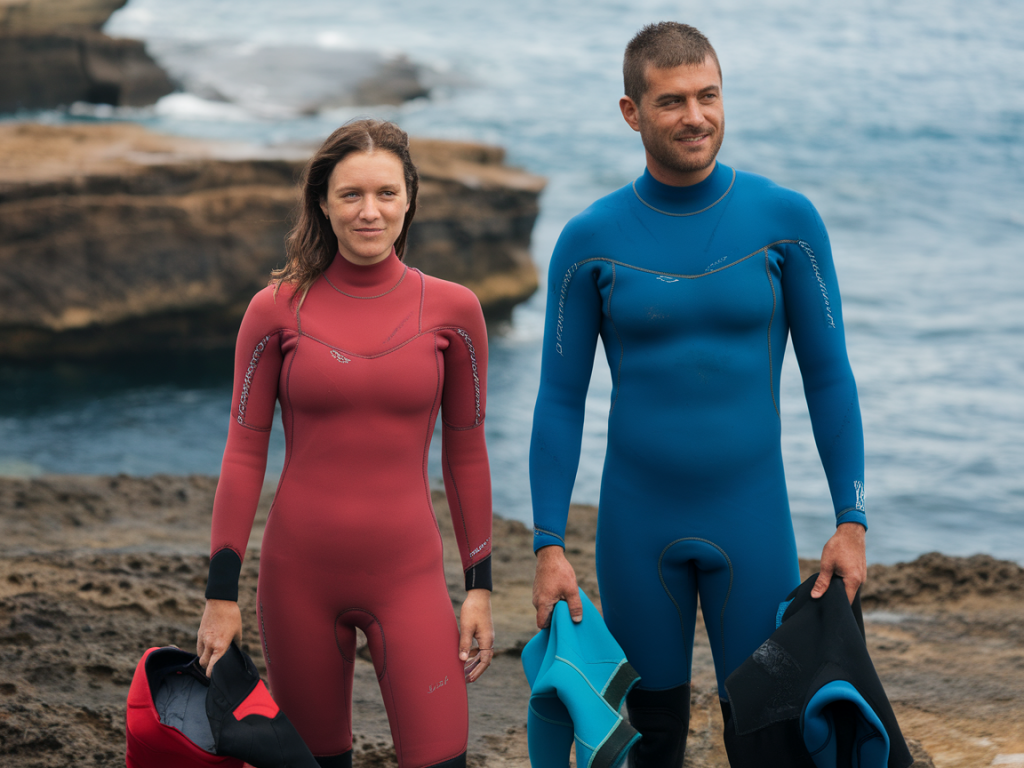
- Patagonia R1 Yulex Front-Zip (3/2mm) — My go-to when I want a suit that doubles as a thermal top for cold mornings. The Yulex rubber is a plant-based neoprene that’s responsive and lightweight. I love the front-zip model for reduced chest flushing during surface intervals. It’s pricier, but the fit is flattering and the material stays supple even after repeated saltwater use.
- O’Neill Hyperfreak 3/2mm — A budget-friendly high-performance suit. Very stretchy in the shoulders and arms, ideal for long snorkel sessions and freediving practice. The glued and blind-stitched seams hold up well. I wear this for day trips and when I want something robust but easy to stuff into a backpack.
- ROKA Rogue 3/2mm (women’s cut) — If I’m doing longer swims or early-morning training, I reach for this for its snug, compression-like fit that reduces drag and helps with thermal retention. It’s streamlined and packs flatter than older neoprene suits.
My top men’s picks (recommended for male readers)
- Quiksilver Highline+ 3/2mm — Lightweight and designed for surfing but perfect for windsurfing and long snorkels. The flex across the shoulders is excellent and the seams are reinforced. A good value choice that’s widely available in multiple cuts.
- XCEL Comp X 3/2mm — Built with performance in mind: thin, elastic neoprene that still gives warmth. It’s one I recommend to divers who want minimal restriction on arm movements and reliable thermal protection for the island’s waters.
- Rip Curl Dawn Patrol 3/2mm — Durable, comfortable, and a classic. I often lend this to guests who need a robust, easy-fit suit for casual diving and snorkeling trips.
Quick comparison table
| Model | Thickness | Best for | Pros | Cons |
|---|---|---|---|---|
| Patagonia R1 Yulex (W) | 3/2mm | All-round, eco-friendly | Flexible, plant-based neoprene, snug fit | Pricey |
| O’Neill Hyperfreak (W) | 3/2mm | Surf/snorkel combos | Stretchy, affordable | Less eco materials |
| Quiksilver Highline+ (M) | 3/2mm | Windsurf/surf | Good shoulder flex, value | Standard fit may be roomy for slim frames |
| XCEL Comp X (M) | 3/2mm | Diving, long swims | Very elastic, low drag | Higher price tier |
Fit tips — what I look for when trying a suit
- Snug, not suffocating: A travel suit should fit tight enough that there aren’t large folds or gaps where water will flush in, but you must be able to breathe comfortably and raise your arms without pinching or pulling.
- Neck and wrist seals: Check how the neck lies against your collarbone; a soft, tapered neck opening reduces flushing. Wrist and ankle cuffs should sit flat to avoid drag or chafing.
- Shoulder flexibility: Do several arm strokes and a few squats in the changing room. If the shoulders restrict movement, you’ll notice on long paddles or surface swims.
- Try with the gear you’ll use: If you plan to wear a weight belt, pockets or a thin rash tee underneath, test the suit with those items.
Packing and travel hacks
When I fly to Lanzarote, my lightweight suit goes in my checked luggage or soft shell bag. To save space:
- Turn the suit inside out and roll it tightly — this protects seams and compresses air pockets.
- Use zip compression bags for wetsuits and rashguards; they reduce volume and keep wet-to-dry separation if needed.
- Pack a thin, quick-dry rash guard to wear under the suit for extra warmth and to protect the neoprene from sunscreen oils.
- Carry a small bottle of neoprene shampoo in your dive kit for quick cleaning after saltwater exposure.
Care and maintenance in island conditions
A few habits keep a lightweight suit performing season after season:
- Rinse thoroughly with fresh water after every use to remove salt and sand.
- Air-dry inside out first, then finish drying outside away from direct sun — UV degrades neoprene.
- Store flat or on a wide hanger; avoid tight folds that stress seams.
- Repair small nicks quickly with neoprene cement. Most local dive shops on Lanzarote can patch or stitch seams if needed.
Accessories I never travel without
- Thin neoprene booties (1.5–3mm) — for rocky entry points like Playa Chica and for better footing on pontoons.
- Neoprene gloves (1–2mm) — optional for early-season dives or long surface intervals.
- A lightweight hooded top or 2mm vest — useful for colder mornings or when you expect several surface intervals between dives.
- A compact wetsuit changing mat — lifesaver for changing on sandy or volcanic parking areas.
If you’re unsure about thickness: choose a 3/2mm as your default for Lanzarote — it covers most diving, snorkeling and windsurfing needs while staying portable for travel. My personal rotation changes with season and trip type: for teaching and long days I’ll pick Patagonia or XCEL for comfort and durability; for casual trips I favor O’Neill or Rip Curl. Wherever you land, prioritise fit and flexibility — they make the biggest difference on the water.