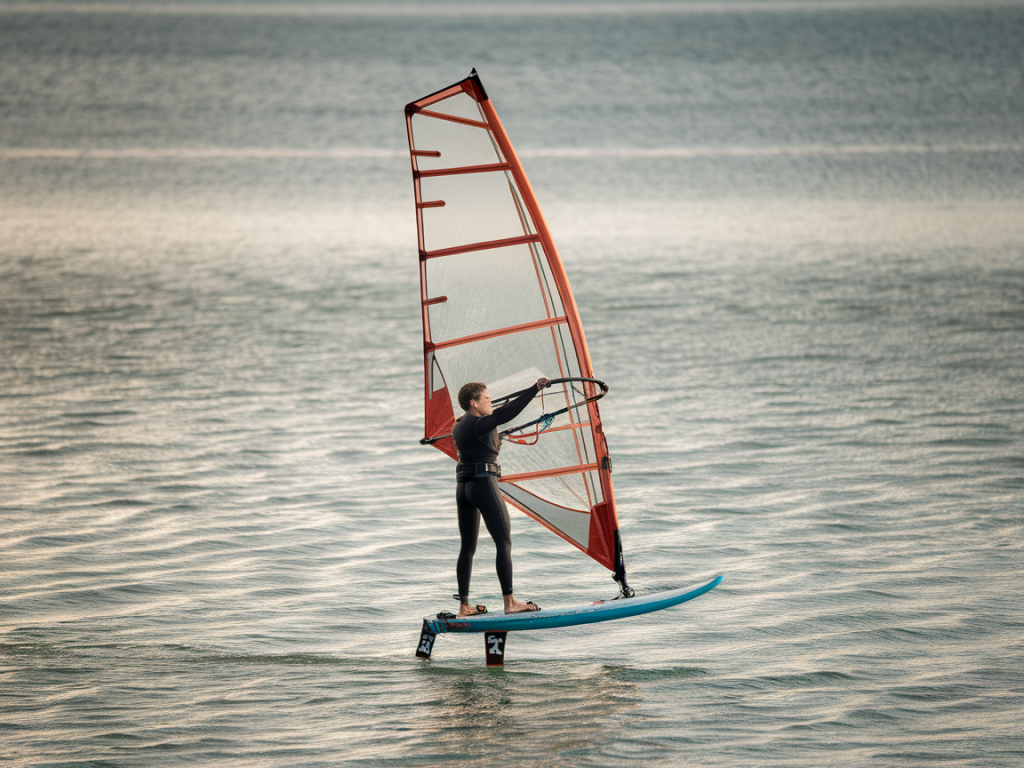
Windsurfing

Windsurf rental vs bringing your own kit: what saves money and what improves performance

Windsurf rental vs bringing your own kit: what saves money and what improves performance

When I first moved to Lanzarote I had the classic kit-carrying mindset: if you want to sail well, you bring your own gear. Over the years, after guiding countless sessions, testing kit and chatting with visiting sailors, I’ve learned that the answer isn’t black-and-white. Whether it’s cheaper to rent or bring your own kit depends on a mix of variables: trip length, baggage fees, the type of sailing you want to do, your level and how picky you are about gear. Here’s how I break it down for myself and for the people I guide.

Why this decision matters

Windsurfing is unique because performance depends heavily on matching sail, board and fin to conditions and to your skill. A poorly matched rental can mean a frustrating session; an unfamiliar favourite board can be awkward after airline handling has taken its toll. On the other hand, lugging a high-performance quiver across borders can be expensive and stressful. I always start by asking two questions: how long am I staying, and how picky am I?

When renting usually saves money

Renting tends to be the economical choice for short trips, beginners and people who don’t need a very specific setup. In Lanzarote, the main windsurfing hubs—Famara, Costa Teguise and Playa Blanca—have multiple hire shops offering modern, maintained rental kit. Practical reasons to rent:

  • Short stays (weekends or a few days): avoids expensive baggage fees and carrying cases.
  • Beginners: rental schools provide progressive gear sizes and lessons; I recommend starting here rather than committing to a board you don’t yet know how to use.
  • When you want to try new kit: renting lets you test sails and boards (e.g., NeilPryde, Duotone, Cabrinha) before you buy.
  • When travelling light: small regional flights and ferries often have restrictive surfboard/boardbag policies.
  • Practical tip: many rental centres in Lanzarote include basic insurance/waiver and will swap sizes during the day if conditions change. That flexibility is worth a lot when the wind is fickle.

    When bringing your own kit can be cheaper or better

    Bringing your own kit makes sense if you’re staying longer, you have a very specific quiver, or you’re targeting high-performance sessions. Reasons I choose to travel with my kit:

  • Frequent trips or long stays: if you windsurf regularly or are on a multi-week trip, rental costs add up and owning becomes cost-effective.
  • High-performance / competition gear: if you use a custom board, slalom kit or special fin set-up, rentals rarely match that precision.
  • Frequent tune-ups and habit: being familiar with how your gear handles (pressure, footstrap positions, mast extension) is a performance edge.
  • Brand loyalty or customisation: if your board is shaped specifically for you (or you trust one brand like JP, Starboard, RRD), you’ll get predictable results.
  • That said, the hidden costs are real: airline fees, potential damage, and the hassle of travelling with large bags.

    Costs compared: rough numbers to help decide

    Below is a simple table I use when planning a trip. Replace with actual quotes for your airline and chosen rental shop for precision.

    Renting (per week) Bringing your own (one-way airline)
    Basic kit (board + sail) £80–£140 £60–£150 baggage fee + protection bag
    High-performance kit £140–£300 £100–£300 baggage fee + fragility risk
    Extra gears/repairs £20–£60 (per change/repair) £0–£50 (if damaged while travelling)
    Insurance/waiver Usually included Consider travel/freight insurance £10–£30

    Interpretation: for a one-week holiday, renting is often cheaper unless your airline baggage fee is low or you need very specific equipment. For two weeks or more, bringing your own often becomes attractive, especially if you sail frequently on the trip.

    Performance considerations

    Performance isn’t just about brand names. Small details matter:

  • Board condition: dings or a compressed core from rough airline handling will subtly degrade pop and grip.
  • Sail tuning: having the exact mast and extension you’re used to makes sail feel predictable. Rentals might use a generic mast that alters sail profile.
  • Footstrap and fin choices: if you race or freeride, the right fin and strap positions make a huge difference. Rental setups are set for a broad audience.
  • I’ve watched intermediate riders get visibly faster on their own kit — simply because they know exactly where their feet and hands belong. Conversely, many travellers discover that modern rental quivers have advanced significantly: schools and shops in Lanzarote invest in new gear to attract visitors, so rentals can be surprisingly performance-ready.

    Logistics and stress factors

    Don’t underestimate the non-monetary costs. I factor these heavily into my decision.

  • Travel stress: carrying a boardbag through airports, taxis and narrow rental cars adds fatigue.
  • Risk of damage: even with a hard case, boards are vulnerable. I once had a finbox crack during transit — a one-day repair turned into a lost session.
  • Local availability: in peak season, the best rental kit can be booked out. Booking in advance helps.
  • Storage and transport locally: if you rent, you avoid finding space to store your kit at your accommodation or arranging roof racks.
  • How I decide — practical checklist

  • Length of trip: weekends I rent; 2+ weeks I usually bring at least one board and a couple of sails.
  • Target sessions: if I’m chasing a specific condition (like strong cross-offshore at Famara), I bring trusted gear.
  • Cost check: I get a rental quote and an airline baggage quote. If airline fees are less than 2–3 days of rental, I bring my kit.
  • Condition of my gear: if my kit needs repairs or replacement masts, I rent instead.
  • Flexibility: if I need to switch between sizes multiple times a day, rentals win.
  • Tips to save money and improve performance

  • Ship ahead for long trips: sometimes using a specialist freight service is cheaper and less stressful than repeated airline fees.
  • Mix and match: bring your favourite board but rent sails or vice versa to balance cost and comfort.
  • Reserve rentals in advance: book kit through your chosen school to secure modern equipment and lesson bundles.
  • Invest in a good bag and padding: if you bring gear, protect it — a quality padded bag and fin protection lowers risk of damage.
  • Consider hybrid options: some shops offer multi-day rentals or discounted weekly rates — ask for a package deal.
  • Whether you rent or bring, the best session is the one you’re comfortable with and excited about. On Lanzarote, the wind picks and drops quickly; being able to adapt matters more than carrying a suitcase full of sails. If you want, tell me your trip length, target spots (Famara, Costa Teguise, Playa Blanca) and the kit you use — I’ll help you run the numbers and pick the best option for performance and budget.
    You should also check the following news:

    How to train breath-hold and safety drills for freediving in Lanzarote’s shallow bays
    Diving

    How to train breath-hold and safety drills for freediving in Lanzarote’s shallow bays

    I spend a lot of my time in Lanzarote’s shallow bays — Papagayo, Playa Chica, Playa Honda and...

    Conservation-minded dive briefings I use with clients to protect Lanzarote’s marine life
    Diving

    Conservation-minded dive briefings I use with clients to protect Lanzarote’s marine life

    I run guided dives around Lanzarote almost every week, and over the years I’ve developed a...